

London Design · Simple Websites
Simple Website Design for Small Businesses
A simple website that gets your business online.
Give customers a clear picture of your business with a professional, mobile-friendly website. London Design creates focused websites that explain your services, present your brand and make it easier for visitors to enquire.
A practical choice for startups, consultants, trades and local service businesses that need a credible online presence without complex functionality.
- Up to 5 pages
- Mobile-friendly layouts
- Scope agreed before work begins
Built around your business
A clear website. A stronger first impression.
Help visitors understand what you offer, find the information they need and take the next step.
Brand-aligned design
A considered visual style with clear typography, organised content and layouts that reflect your business.
Mobile-friendly layouts
Responsive pages that adapt to different screens, keeping your services and contact options easy to access.
Clear enquiry routes
Contact forms and relevant calls to action that guide visitors towards a quote, a conversation or a service enquiry.
SEO-ready structure
Relevant page titles, descriptive headings and organised content that give your website a useful foundation for search.
A practical starting point
Small business websites with a clear purpose.
A simple business website is well suited to organisations that want to introduce their services, share their experience and receive enquiries. It gives customers a central place to learn about you beyond social media.
If your project needs online payments, customer accounts or complex integrations, we can discuss a more suitable service before agreeing the scope.
- Startups
- Local services
- Consultants
- Trades
The Simple Website package
A focused foundation for your online presence.
Up to five pages, organised around the information your customers need. A typical structure could include Home, About, Services, FAQs and Contact.
- Up to five agreed website pages
- Brand-aligned page layouts
- Responsive desktop and mobile design
- Contact and enquiry forms
- Relevant calls to action
- Links to your social profiles
- Search-friendly headings and metadata
- Review and launch preparation
Your proposal sets out the final page list, functionality, content responsibilities and review arrangements. Domain, hosting, copywriting and ongoing support should be confirmed in the proposal rather than assumed to be included.
Plan your project
Understand the cost, scope and next steps.
A useful proposal explains what you are buying and what happens after your website is published.
How much does a simple website cost?
Pricing depends on the agreed requirements. We assess the scope before quoting, so your proposal reflects the work your business actually needs.
- Number and complexity of pages
- Availability of text and images
- Forms and additional functionality
- Content or design requirements
- Hosting and ongoing service arrangements
What SEO is included?
The package provides a search-friendly foundation through page structure, headings, metadata and essential on-page optimisation.
Confirm any keyword research, copywriting, analytics setup or ongoing SEO activity in your proposal.
Explore our SEO service →What happens after launch?
Before starting, agree how your website will be managed and what assistance you need after publication.
- Website access and editing arrangements
- Training or handover requirements
- Support scope and duration
- Maintenance and renewal costs
- Future pages and feature requests
Choose the right service
Is a simple website right for your business?
Start with your customer journey and required functionality. The right solution depends on what your website needs to do.
| Service | Typical requirement | Explore |
|---|---|---|
| Simple Website | A focused site to introduce your business, explain services and receive enquiries. | View this package |
| Bespoke Website | More individual design requirements, complex user journeys or functionality beyond a straightforward site. | Explore bespoke websites |
| Ecommerce Website | Product browsing, shopping baskets, online payments and order management. | Explore ecommerce websites |
Selected work
Explore our website work.
These featured presentations offer a starting point for discussing your preferred visual direction.
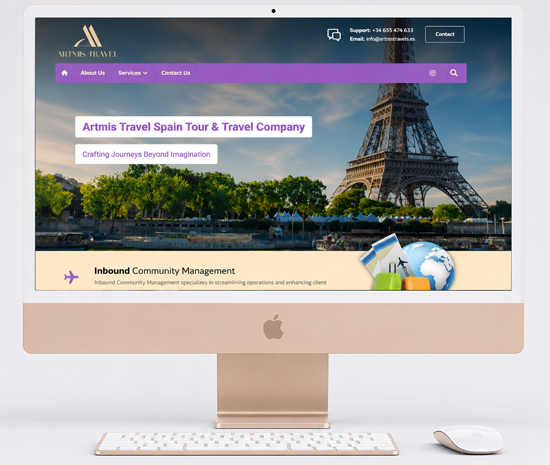
Artmis
A featured creative business website presentation. Ask our team for more information about this example.
Browse our project portfolio →
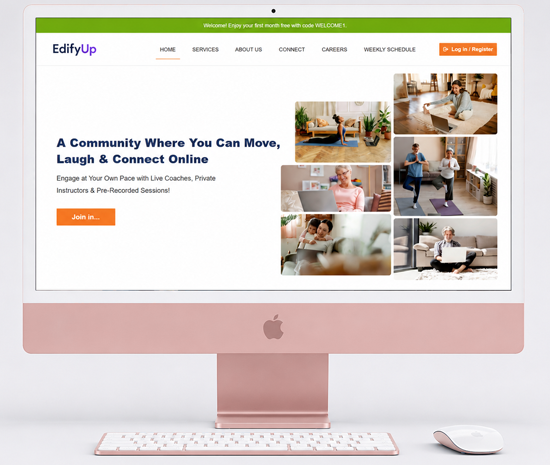
Edify Up
A featured education and community website presentation. Discuss the elements relevant to your own project.
Browse our project portfolio →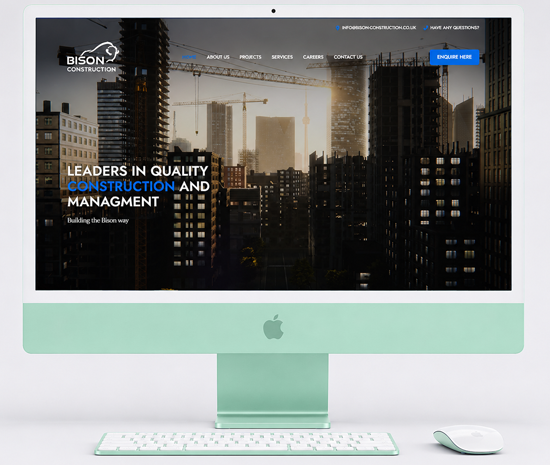
Bison
A featured business website presentation. Explore our portfolio to learn more about our work.
Browse our project portfolio →From brief to launch
A clear process from the beginning.
Establish the requirements, review the work and prepare your website for publication.
Define your requirements
Share your services, audience, goals and available content. We discuss the page structure and confirm the scope, responsibilities and delivery arrangements.
Design and build
Your website takes shape around the agreed structure, brand direction and content. Review the work and provide feedback through the agreed revision process.
Review and publish
Review the pages, contact details and enquiry routes. Final refinements and responsive checks prepare the website for launch and the agreed handover.
Your small business website guide
Planning a simple website that supports your business.
Understand the pages, content, costs and practical decisions behind a useful business website before you commission one.
Scroll within the guide to read all sections. Keyboard users can focus the reading area and use the arrow keys.
What is a simple business website?
A simple business website gives customers a clear place to understand your company, explore your services and contact you. It usually focuses on a small number of pages rather than complicated accounts, integrations or online transactions. Simple refers to the scope and customer journey, not the importance of the design. Your website still needs readable content, dependable navigation and a professional presentation. For many small businesses, a focused site is a sensible first step because it answers essential questions without creating unnecessary work. The most useful starting point is deciding what a visitor should know and do before leaving.
Who benefits from a focused website?
Startups, consultants, trades and local service providers often need an online presence that explains their offer and generates relevant enquiries. A brochure website can support that goal by bringing company information, service descriptions and contact details together. It can also help established businesses replace an outdated site with a clearer structure. Consider how customers currently find you and what they ask before getting in touch. If most enquiries concern availability, service areas, experience or project suitability, those topics belong on the website. If customers need to buy products or manage accounts, discuss a solution with the appropriate functionality instead.
Choosing the right pages for your business
A five-page website might include Home, About, Services, FAQs and Contact, but the structure should follow your business priorities. A company with one main service might benefit from a dedicated project page. Another may need separate pages for its most important services. Start by listing the information customers need before making an enquiry. Then organise that information into pages with distinct purposes. Avoid creating several pages that repeat the same message. Clear page names help visitors navigate and make internal linking easier. Agree the page list before design begins so content preparation and project expectations remain aligned.
A homepage that explains your offer
Your homepage should quickly explain what your business does, who it serves and why someone should explore further. A specific headline usually provides more direction than a broad slogan. Follow it with a concise introduction, a summary of your services and a clear next step. Supporting information might include relevant experience, selected work or genuine customer feedback. Visitors should not have to guess whether your business can help them. Keep important information easy to find and use descriptive links to deeper pages. A homepage works best as an introduction to the customer journey rather than a container for every detail.
Preparing useful website content
Good website content explains your services in the language customers use. Describe what you offer, the situations you can help with and how the process works. Replace general claims with information people can evaluate, such as your service coverage, relevant qualifications or examples of completed work. Prepare accurate contact details and check that photographs represent your business appropriately. If content writing is needed, confirm who will handle it and whether it is included in the proposal. Having text and images ready helps the design reflect real requirements. It also reduces the risk of rushed decisions immediately before publication.
Designing for mobile visitors
Small business websites need to remain usable on phones as well as larger screens. Responsive design changes the layout to suit available space, but practical usability also matters. Text should be comfortable to read, buttons should be easy to select and navigation should remain understandable. Contact details and enquiry options should not disappear behind decorative elements. Images need sensible sizing so they support the content without overwhelming it. During review, check the actual pages on different screen sizes. Pay attention to long headings, forms and tables because these elements can expose layout problems that are less obvious on desktop.
Making enquiries straightforward
An enquiry-focused website should help visitors take a clear next step when they are ready. Choose calls to action that match the service, such as requesting a quote or discussing a project. Place them where they follow useful information rather than repeating them without context. Contact forms should ask for details that help assess the enquiry while avoiding unnecessary friction. Explain what happens after submission if you can provide an accurate expectation. Offer a working phone number or email address where appropriate. Before launch, test the full enquiry route, including the confirmation message and delivery to the correct recipient.
What an SEO-ready foundation means
An SEO-ready website gives search engines and visitors a clearer structure to work with. Relevant page titles, descriptive headings, readable content and useful internal links help communicate what each page covers. Technical setup also needs to allow intended pages to be discovered and indexed. These foundations support future optimisation, but they do not guarantee rankings or enquiries. A small business website still needs content that reflects real customer needs and an offer that stands up to comparison. Confirm which SEO tasks are included in your project, especially where keyword research, content writing or measurement tools require additional work.
Local relevance for London businesses
If your business serves London or particular surrounding areas, make that coverage clear where it helps customers. Use accurate contact information and explain whether customers visit your premises or receive services at their own location. Relevant project examples can demonstrate experience with the market you serve. Avoid adding long lists of locations that do not reflect genuine coverage. Location information should support the service description rather than replace it. Consistent business details across your website and other business listings make it easier for customers to recognise the same organisation. Local targeting should follow your actual operating area and commercial priorities.
Simple, bespoke or ecommerce?
Choosing the right website service starts with functionality. A simple website suits a focused information and enquiry journey. A bespoke project may be appropriate when you need a more individual interface, complex forms or a distinctive user experience. An ecommerce website serves a different purpose by supporting product selection, checkout and order management. Think about the tasks your customers need to complete rather than choosing a package only by its name. Review our bespoke website design and ecommerce website services if your requirements extend beyond a straightforward business site. Discussing these needs early helps establish a suitable project scope.
Understanding website design costs
The cost of a simple website depends on the work needed to deliver the agreed result. Page count is one factor, but content preparation, design requirements and additional functionality also affect scope. A short website with complex forms may involve more work than a larger information-only site. Ask whether the quote includes copywriting, image preparation, hosting or other services. Check the treatment of VAT and any recurring charges in the written proposal. Comparing quotes is easier when each provider explains the same requirements. A useful proposal gives you enough detail to understand the price rather than relying on a headline figure.
Planning the delivery timeline
Delivery time depends on the agreed scope, available content and review process. Before starting, establish what information the team needs and when you can supply it. Identify who will approve the design and consolidate feedback where several people are involved. Changes to page structure or functionality after work begins may affect the schedule. A realistic plan includes time for content checks, responsive review and final corrections. Ask when the delivery period starts and what happens if required materials are delayed. Clear responsibilities make the timeline more useful than a broad estimate that ignores the practical steps needed to publish.
Website access, ownership and editing
Before commissioning a website, clarify how it will be managed after launch. If you want to update text, images or service information yourself, discuss the editing tools and any training required. Confirm which accounts and access details will be handed over. Domain registration, hosting and software licences may have different ownership or renewal arrangements, so include them in the discussion. Some changes are routine content edits while others require design or development work. Understanding that distinction helps you plan future updates. Record the agreed arrangements in the proposal so responsibilities remain clear when the website becomes part of everyday business operations.
Checking the website before launch
Final review should cover more than appearance. Check service descriptions, spelling, contact details and the accuracy of any claims. Follow navigation links and confirm that calls to action lead to the intended destination. Submit a test enquiry and verify receipt. Review the website on mobile and check that key content remains accessible. If replacing an existing website, discuss how important old addresses will be handled. Confirm the agreed search and measurement setup before publication. A practical launch checklist helps catch problems while they are easier to resolve and gives everyone a shared understanding of what has been reviewed.
Supporting your website as the business grows
A website needs attention after publication as your services, team and customer questions change. Keep essential information current and review whether enquiries are coming from the audience you want to reach. Agree who is responsible for maintenance, backups and technical updates where relevant to the chosen platform. Confirm support duration, response arrangements and renewal costs before relying on them. Additional pages or features can be scoped when your requirements develop. For a project discussion, tell London Design what your business offers, what customers need and which parts of your online presence you want to improve first.
Frequently asked questions
Useful answers before you begin.
Discuss anything specific to your project before agreeing the scope. Your proposal should confirm the final arrangements.
What is included in the Simple Website package?
The package focuses on up to five pages, brand-aligned design, responsive layouts, contact forms, calls to action and a search-friendly page structure. Your proposal confirms the exact pages, features and additional services.
How much does a simple website cost?
The quote depends on your page structure, available content and functionality. Share your requirements so we can prepare a proposal that explains the scope and costs.
How long will my website take to build?
The delivery schedule is agreed for your project. It depends on the scope, content availability and feedback arrangements. Your proposal should explain the expected milestones and what is required from you.
Will my website work on mobile phones?
Yes. The package includes responsive layouts for desktop and mobile screens, with review of the browsing experience before launch.
Is SEO included?
A search-friendly foundation is included through page structure, metadata, headings and essential on-page optimisation. Confirm any keyword research, content writing or ongoing SEO campaign separately in your proposal.
Do I need to provide text and images?
Discuss the content you already have during the initial enquiry. Your proposal should identify who supplies the text and images and whether additional content work is needed.
Can I update the website myself?
Tell us which parts you want to manage yourself. Editing access, platform choices and any training requirements should be agreed as part of the project.
Are hosting and a domain included?
Check your proposal for the specific domain and hosting arrangements, including who manages them and whether separate setup or recurring charges apply.
What support is available after launch?
Confirm support scope, duration and any maintenance plan before work begins. The project proposal should explain what is covered and how future requests are handled.
Can the website grow with my business?
Future changes can be assessed as your requirements develop. Additional pages, ecommerce or complex functionality may need a new scope or a different website service.
Start with a conversation
Request your Simple Website proposal.
Tell us about your business, the pages you need and what you want customers to do on your website. Include your existing website address if you have one.
Tell us what you need.
Share your services, preferred page structure and any additional functionality through our contact page.
Request Your Free Proposal →