

In today’s competitive digital landscape every small business needs a strong online presence to grow and social media is one of the most powerful and affordable ways to achieve it. A well-planned social media marketing strategy for small businesses on a budget can help you attract customers, build brand awareness and increase sales without requiring large advertising spend.
The key is not how much you invest, but how strategically you use platforms like Instagram, Facebook, TikTok, or LinkedIn. By focusing on organic growth, smart content planning and the right low-cost social media strategy even small businesses can compete with larger brands.
In this guide you’ll learn practical, step-by-step methods for building an effective social media marketing strategy on a budget, using proven techniques, free tools and actionable insights to grow your business efficiently and sustainably.
Why Social Media Marketing is Essential for Small Businesses
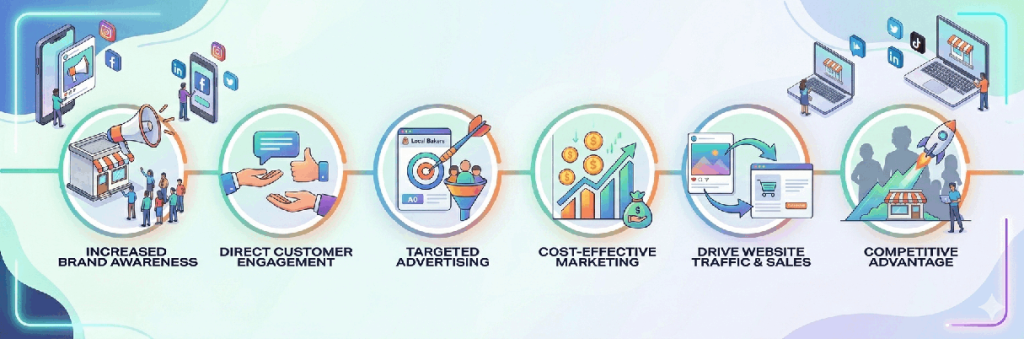
In today’s digital ecosystem social media has become one of the most influential channels for business growth, especially for small businesses that need cost-effective ways to reach and engage customers. A well-executed social media marketing strategy for small businesses on a budget allows brands to compete with larger companies by focusing on creativity, consistency and audience relevance rather than high advertising spend.
Small businesses benefit from social media because it removes many traditional barriers to entry in marketing. Unlike offline advertising, platforms such as Instagram, Facebook, TikTok and LinkedIn provide direct access to highly targeted audiences. This makes it possible to build brand visibility and trust even when working with a low-cost social media strategy. From an EEAT perspective, businesses that consistently publish valuable content and engage with their audience are more likely to be perceived as credible and authoritative in their niche.
Importance of Social Media for Business Growth
Social media is no longer just a communication tool—it is a core part of modern digital marketing strategy. For small businesses, it serves as a powerful channel to create awareness, educate potential customers and drive meaningful engagement. A strong social media marketing strategy on a budget helps businesses stay visible in a highly competitive environment without relying heavily on paid advertising.
One of the key advantages is the ability to build relationships directly with customers. Through consistent posting, storytelling and interaction small businesses can develop trust and long-term loyalty. This is particularly important in an era where consumers prefer authentic and transparent brands. By using organic methods and focusing on content strategy for small businesses, even startups can establish a strong digital footprint.
Competitive Advantage for Small Businesses
Although large corporations often dominate traditional advertising channels, social media levels the playing field. Small businesses can leverage agility, authenticity and niche targeting to create stronger emotional connections with their audience. Unlike big brands, they can respond quickly to trends, engage personally with followers and experiment with different types of content without bureaucratic limitations.
A well-planned social media marketing strategy can help small businesses discover underserved audiences and establish a stronger position within their target niches. When integrated into a broader digital marketing strategy, social media can give smaller brands a competitive edge by focusing on organic reach, meaningful community engagement, and user-generated content rather than depending entirely on paid advertising.
Ultimately, social media empowers small businesses to grow strategically and sustainably, proving that success is not determined by budget size, but by how effectively a brand understands and serves its audience.
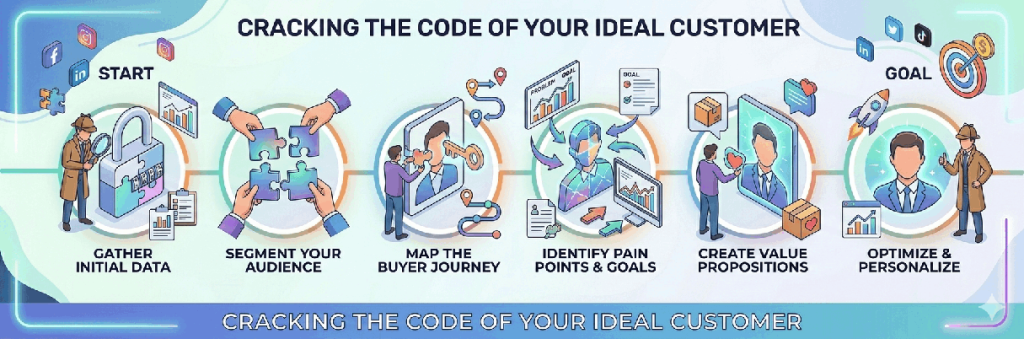
Cracking the Code of Your Ideal Customer
Why Understanding Your Audience Changes Everything
Before you invest time or energy into any social media marketing strategy for small businesses on a budget, you need to understand one simple truth: success on social media is not about reaching everyone it’s about reaching the right people. Many small businesses fail not because their product is weak but because their message is not aligned with the audience they are trying to attract.
When you clearly understand your target audience, every part of your social media marketing strategy on a budget becomes more efficient. Your content becomes more relevant, your engagement increases naturally and your conversion rate improves without needing expensive ads. From an EEAT perspective, businesses that demonstrate deep audience understanding are seen as more credible, authoritative and trustworthy because their messaging feels intentional and user-focused rather than random or promotional.
Decoding the Psychology Behind Your Customers
A customer persona is more than just basic demographics like age or location it is a detailed representation of your ideal customer’s behavior, needs, pain points and motivations. For small businesses this step is essential because it defines the direction of your entire content strategy for small businesses.
Instead of guessing what your audience wants, you start making decisions based on insights. What problems are they trying to solve? What type of content do they engage with? What triggers their buying decisions? When you answer these questions your low-cost social media strategy becomes far more focused and effective because every piece of content serves a specific purpose.
A strong persona also helps you maintain consistency in tone, visuals and messaging. Over time, this consistency builds brand recognition and trust, which are key components of long-term organic growth in social media marketing.
Showing Up Where It Actually Matters
One of the biggest mistakes in social media marketing is trying to be active on every platform at once. For small businesses working with limited resources, this approach usually leads to burnout and weak results. Instead a smarter social media marketing strategy for small businesses on a budget focuses on selecting platforms where your target audience is already active.
Each platform serves a different purpose. Instagram and TikTok are highly visual and work well for lifestyle, fashion, food and creative brands. Facebook is still powerful for community building and local businesses, while LinkedIn is ideal for B2B services and professional audiences. Choosing the right platform ensures that your social media marketing strategy on a budget delivers maximum impact with minimum effort.
When platform selection aligns with your audience behavior, your content naturally performs better. You don’t need to force visibility you earn it by being present in the right place at the right time with the right message.
Choosing the Right Battlefield for Your Brand Growth
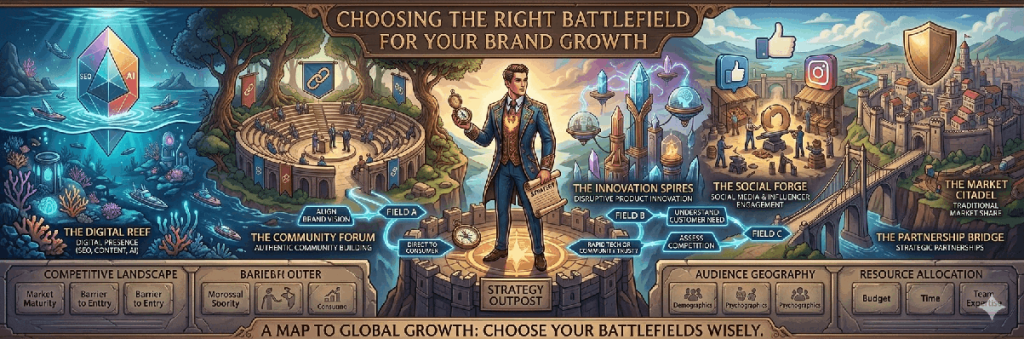
When building a social media marketing strategy for small businesses on a budget, one of the most important decisions is selecting the right platforms. Many businesses fail not because they lack effort, but because they spread themselves too thin across channels that do not align with their audience or goals. A focused low-cost social media strategy works best when you concentrate your energy where your ideal customers are already active and engaged.
Each social media platform has its own culture, content style and user behavior. Understanding these differences is essential for creating an effective social media marketing strategy on a budget, because it ensures that your content is not only seen but also resonates with the right audience.
Instagram — The Visual Powerhouse for Brand Storytelling
Instagram is one of the most powerful platforms for small businesses, especially those that rely on visuals to communicate value. A strong content strategy for small businesses on Instagram focuses on storytelling through images, short videos and Reels that capture attention within seconds.
For budget-conscious businesses, Instagram is especially valuable because it supports organic growth when content is consistent and engaging. By using hashtags strategically and leveraging Reels even new businesses can increase visibility without relying heavily on paid ads. This makes Instagram a core part of any affordable social media marketing strategy aimed at building brand awareness and engagement.
Facebook — Building Communities That Convert
Facebook remains one of the most effective platforms for community building, particularly for local and service-based businesses. Unlike other platforms, Facebook allows businesses to create groups, host discussions and build long-term relationships with customers.
A well-executed social media marketing strategy for small businesses on a budget uses Facebook not just for posting content, but for building trust and interaction. The platform’s structure supports detailed targeting and engagement, making it ideal for nurturing leads and converting them into loyal customers through consistent communication and value-driven posts.
TikTok — Fast Growth Through Creative Virality
TikTok has changed the landscape of digital marketing by enabling even small accounts to achieve massive reach. Its algorithm prioritizes content quality and engagement over follower count, which makes it a perfect fit for a low-cost social media strategy.
For small businesses, TikTok is an opportunity to showcase authenticity, creativity and behind-the-scenes content. A strong social media marketing strategy on a budget here focuses on short, engaging videos that follow trends while still reflecting brand identity. When done correctly, TikTok can drive rapid awareness and traffic without any significant advertising spend.
LinkedIn — The Authority Platform for Professional Growth
LinkedIn is the most effective platform for B2B businesses and professional service providers. It is designed for credibility, networking and thought leadership, making it essential for businesses that want to position themselves as experts in their industry.
A strategic social media marketing strategy for small business growth on LinkedIn focuses on educational content, industry insights and value-driven posts. Unlike more entertainment-focused platforms, LinkedIn rewards authority and consistency, which makes it ideal for building long-term professional trust without requiring a large budget.
Low-Cost Social Media Strategies That Actually Drive Real Growth
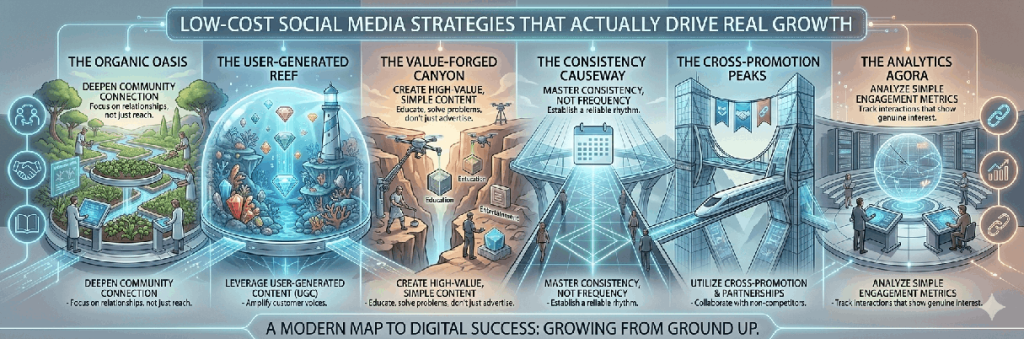
One of the biggest misconceptions in digital marketing is that effective growth on social media requires a large advertising budget. In reality, a well-structured social media marketing strategy for small businesses on a budget often performs better when it focuses on organic methods rather than paid campaigns. The key is to create content that naturally attracts attention, builds trust and encourages interaction.
A strong low-cost social media strategy is built on creativity, consistency and understanding audience behavior. When executed correctly, it allows small businesses to compete with larger brands by leveraging authenticity instead of financial power.
Organic Content Creation The Foundation of Visibility
Organic content is the backbone of any successful social media marketing strategy on a budget. Instead of relying on ads, businesses focus on creating valuable, relevant and engaging posts that naturally attract users over time.
High-quality organic content not only improves visibility but also strengthens brand authority. From an EEAT perspective, consistent and helpful content signals expertise and trustworthiness, which increases the likelihood of long-term audience engagement and loyalty. This is why many successful brands prioritize content as the core of their content strategy for small businesses.
User-Generated Content (UGC) — Turning Customers into Marketers
User-Generated Content (UGC) is one of the most powerful yet cost-effective tools in modern marketing. It involves encouraging your customers to share their experiences, photos, or reviews of your product or service.
For small businesses, UGC is especially valuable because it builds social proof without requiring additional marketing spend. A strong social media marketing strategy for small business growth leverages UGC to increase credibility and trust. When potential customers see real people engaging with your brand they are more likely to convert.
Storytelling — Making Your Brand Memorable
Storytelling transforms ordinary content into meaningful experiences. Instead of just promoting products, businesses share stories about their journey, challenges and customer experiences. This emotional connection is what makes audiences remember and trust a brand.
A low-cost social media strategy that incorporates storytelling helps small businesses stand out in crowded markets. It adds personality to the brand and makes content more relatable, which significantly improves engagement and retention.
Reels & Short Videos — The Algorithm’s Favorite Format
Short-form videos like Reels, TikToks and Shorts are currently the most effective way to increase organic reach. These formats are prioritized by algorithms because they keep users engaged for longer periods.
For businesses working with limited budgets, this is a major advantage. A strong social media marketing strategy on a budget uses short videos to demonstrate products, share tips, or showcase behind-the-scenes content. This approach increases visibility without requiring expensive production or advertising costs.
Hashtag Strategy — Getting Discovered by the Right Audience
Hashtags play a crucial role in helping content reach the right audience. When used strategically, they act as discovery tools that connect your posts with users who are actively interested in your niche.
A well-planned social media marketing strategy for small businesses on a budget uses a mix of niche, trending and branded hashtags to maximize reach. Instead of using random or overly popular tags, small businesses should focus on relevance and intent to attract high-quality engagement.
Free & Affordable Tools for Social Media Marketing
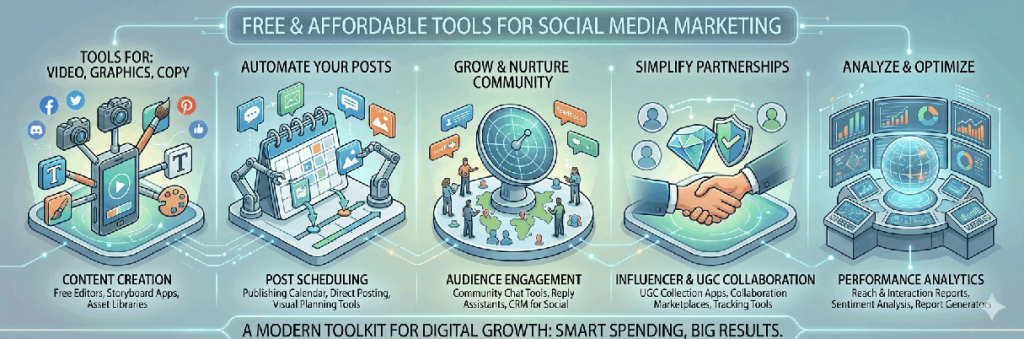
In any social media marketing strategy for small businesses on a budget, tools play a crucial role in reducing time, effort and cost while improving overall performance. The right tools allow small businesses to create professional content, schedule posts efficiently, analyze performance and generate ideas without needing a full marketing team or expensive software.
A well-structured low-cost social media strategy is not just about what you post, but how efficiently you manage your entire workflow. By leveraging free or affordable platforms, small businesses can maintain consistency, improve quality and scale their efforts in a sustainable way. From an EEAT perspective, using reliable tools also enhances professionalism and helps maintain a consistent brand presence across all channels.
Canva — Professional Design Without a Designer
Canva is one of the most powerful tools for small businesses that want to create high-quality visuals without hiring a graphic designer. It offers thousands of templates for social media posts, stories, reels covers and ads, making it an essential part of any content strategy for small businesses.
With Canva, even beginners can produce visually appealing content that looks professional and aligned with their brand identity. This consistency helps strengthen brand recognition, which is a key element of a successful social media marketing strategy on a budget.
Meta Business Suite — Managing Facebook and Instagram in One Place
Meta Business Suite is a free tool that allows businesses to manage both Facebook and Instagram from a single dashboard. It helps schedule posts, track performance, respond to messages and analyze audience behavior.
For small businesses, this tool is extremely valuable because it reduces manual work and improves consistency. A strong social media marketing strategy for small business growth depends heavily on regular posting and data-driven decisions, both of which are made easier with Meta Business Suite.
Buffer / Later — Smart Scheduling for Consistency
Buffer and Later are scheduling tools that help businesses plan and automate their social media content. Instead of posting manually every day, you can schedule content in advance and maintain a consistent online presence.
Consistency is a core factor in any successful low-cost social media strategy and these tools ensure that your brand remains active even when you are focused on other business tasks. They also help optimize posting times for better engagement and reach.
ChatGPT — Your AI Assistant for Content Ideas
ChatGPT has become an essential tool for modern marketers, especially for small businesses with limited resources. It can help generate content ideas, write captions, plan content calendars and even improve messaging tone.
When integrated into a social media marketing strategy for small businesses on a budget ChatGPT significantly reduces the time spent on brainstorming and copywriting. It allows business owners to focus more on strategy and execution while maintaining a steady flow of high-quality content.
Content Strategy on a Budget: How to Create More Impact with Fewer Resources

A successful social media marketing strategy for small businesses on a budget is not built on posting more content it is built on posting the right content consistently. Many small business owners assume they need to create new content every day to stay relevant. In reality, sustainable growth comes from having a structured content strategy that maximizes the value of every piece of content you create.
Without a clear strategy, content creation quickly becomes overwhelming, leading to inconsistency, lower engagement and wasted effort. By establishing clear content pillars, maintaining a content calendar and repurposing existing content, businesses can create a scalable system that supports long-term growth while keeping costs low.
Content Pillars: The Foundation of a Strong Social Media Presence
Content pillars are the core topics that define your brand’s communication strategy. They provide structure and ensure that every piece of content contributes to a larger business objective. Rather than posting random updates, successful businesses organize their content around a small number of recurring themes that are relevant to their audience.
For example, a fitness coach might focus on workout education, nutrition advice, client success stories and personal brand content. A local bakery may create content around baking expertise, behind-the-scenes operations, customer experiences, and new product launches.
Establishing content pillars helps create consistency while making content planning significantly easier. More importantly, it strengthens topical relevance, which is beneficial for both audience engagement and overall digital visibility. From an EEAT perspective, consistently publishing content within your area of expertise helps demonstrate experience, expertise, and authority over time.
Why Content Pillars Improve Audience Trust
Audiences follow brands because they expect consistent value. When your content revolves around clearly defined themes, people quickly understand what your business represents and why they should pay attention.
A well-structured content strategy for small businesses ensures that educational, inspirational and promotional content work together to build trust. Instead of constantly selling, businesses can position themselves as valuable resources, which naturally increases engagement and customer loyalty.
Content Calendars: The Secret Behind Consistent Growth
One of the most common mistakes in social media marketing on a budget is posting inconsistently. Many businesses publish heavily for a few weeks and then disappear for long periods. This inconsistency makes it difficult to build momentum and weakens audience relationships.
A content calendar solves this problem by providing a clear roadmap for future content. Instead of deciding what to post each day, businesses can plan content weeks or even months in advance. This creates a more strategic approach and ensures that important campaigns, seasonal events and business goals are supported through content.
A content calendar also reduces stress. When content is planned ahead of time, businesses can focus on quality rather than scrambling for last-minute ideas.
Aligning Content with Business Goals
The most effective content calendars are built around business objectives rather than arbitrary posting schedules. Every piece of content should support a broader goal, whether that is increasing brand awareness, generating leads, building trust, or driving sales.
For example, educational content may be used to attract new audiences, while customer success stories help build credibility. Product-focused content can then guide engaged users toward conversion. This strategic alignment transforms social media from a posting platform into a business growth engine.
Within a strong social media marketing strategy for small business growth, every post should have a purpose and contribute to measurable outcomes.
Content Repurposing: Creating More Content Without Starting from Scratch
One of the most powerful techniques in a low-cost social media strategy is content repurposing. Rather than constantly creating new content, businesses can transform existing assets into multiple formats and distribute them across different platforms.
A single blog article can become several Instagram carousel posts, multiple LinkedIn updates, short-form videos, email newsletter content, and quote graphics. This approach dramatically increases content output without significantly increasing production time or costs.
Content repurposing allows small businesses to maximize the return on every piece of content they create. Instead of producing ten completely new posts, they can extract dozens of content opportunities from one high-quality asset.
Extending Content Lifespan and Increasing Reach
Many businesses make the mistake of publishing content once and moving on. However, valuable content often remains relevant long after its original publication date. Repurposing enables brands to extend the lifespan of their best-performing content and reach audiences who may have missed it the first time.
This approach is especially important for businesses operating with limited budgets because it improves efficiency while maintaining a consistent publishing schedule. It also reinforces key messages across multiple touchpoints, helping audiences remember and trust the brand.
From an EEAT standpoint, repurposing authoritative content across different formats strengthens topical authority and ensures that expertise is communicated consistently throughout the customer journey.
Building a Sustainable Content Engine
The ultimate goal of a budget-friendly content strategy is sustainability. Small businesses often have limited time, limited staff, and limited resources. By combining strong content pillars, a strategic content calendar, and effective content repurposing, businesses can create a repeatable system that delivers long-term results.
Instead of constantly chasing new ideas, they build a structured content engine that supports organic growth, improves engagement, and strengthens brand authority. This is what separates successful brands from those that struggle with inconsistent content creation.
A sustainable social media marketing strategy on a budget is not about doing more work—it is about creating smarter systems that allow every piece of content to generate maximum value.
How to Increase Engagement Without Spending Money

Growing engagement does not always require paid advertising. In fact, some of the most successful small businesses build highly engaged communities through authentic interactions and consistent communication. A well-executed social media marketing strategy for small businesses on a budget focuses on creating meaningful connections rather than simply increasing follower counts.
The reality is that social media algorithms reward engagement. The more people interact with your content, the more visibility your posts receive. This means that increasing engagement organically can significantly improve the performance of your overall social media marketing strategy on a budget.
Turn Conversations Into Relationships
Many businesses treat social media as a broadcasting channel, publishing content and then moving on. However, engagement grows when brands actively participate in conversations with their audience.
Responding to comments, acknowledging feedback, and interacting with followers helps create a sense of community around your brand. When people feel heard, they are more likely to return, engage with future content, and recommend your business to others.
This approach also strengthens trust, which is a critical component of long-term business growth. From an EEAT perspective, brands that consistently engage with their audience demonstrate authenticity and credibility, making them more trustworthy in the eyes of potential customers.
Why Replying to Comments Matters More Than You Think
Every comment represents an opportunity to deepen a customer relationship. Whether someone asks a question, shares an opinion, or leaves positive feedback, your response shows that there is a real person behind the brand.
Replying to comments can also increase the visibility of your content. Social platforms often interpret active discussions as a sign that content is valuable, which can lead to greater reach and engagement.
Rather than viewing comments as a task to complete, successful businesses see them as opportunities to strengthen customer relationships and improve brand perception.
Encourage Participation with Polls and Questions
One of the simplest ways to increase engagement is to invite your audience into the conversation. Polls, questions, and interactive stories make followers feel involved rather than passive observers.
People naturally enjoy sharing opinions and experiences. Asking for feedback on a product, seeking opinions on industry topics, or running simple polls can significantly increase interaction rates.
A strong content strategy for small businesses often includes interactive content because it creates two-way communication. The result is not only higher engagement but also valuable insights into audience preferences and behavior.
Partner with Micro-Influencers for Authentic Reach
Micro-influencers have smaller but highly engaged audiences, making them an effective option for businesses operating with limited budgets. Unlike large influencers, their recommendations often feel more authentic and trustworthy.
Collaborating with micro-influencers allows small businesses to reach niche communities that are already interested in relevant products or services. Because these partnerships are often more affordable, they fit naturally within a low-cost social media strategy.
The key is choosing influencers whose audience closely matches your target market. When the partnership feels genuine, engagement tends to be significantly higher than traditional promotional campaigns.
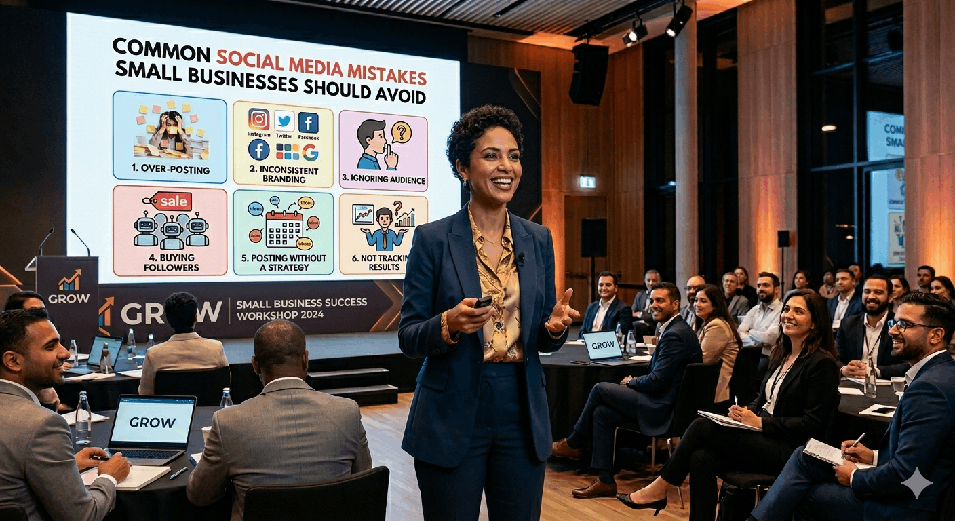
Common Social Media Mistakes Small Businesses Should Avoid
Even the best social media marketing strategy for small businesses on a budget can fail if common mistakes go unchecked. Many businesses focus heavily on content creation but overlook the strategic elements that drive sustainable growth.
Understanding these mistakes can help you avoid wasted effort and improve the effectiveness of your social media marketing activities.
Posting Without a Clear Strategy
One of the biggest reasons businesses struggle on social media is the absence of a clear plan. Posting randomly without defined goals often leads to inconsistent messaging and disappointing results.
Every piece of content should support a broader objective, whether it is increasing brand awareness, generating leads, educating customers, or driving sales. Without a strategy, it becomes difficult to measure success or understand what is actually working.
A successful social media marketing strategy on a budget starts with clear goals and a structured content plan. When content is created with purpose, every post contributes to business growth.
Focusing Only on Sales
Many small businesses make the mistake of treating social media as a direct sales channel and filling their feeds with promotional content. While sales are important, constantly pushing products can drive audiences away.
Most users come to social media to learn, be entertained, or connect with others—not to be sold to in every post. Brands that provide value before asking for a purchase typically build stronger relationships and achieve better long-term results.
Educational content, behind-the-scenes stories, industry insights, and customer success stories often generate more engagement than direct sales messages. As trust grows, conversions tend to follow naturally.
Ignoring Analytics and Performance Data
Data is one of the most valuable resources available to small businesses, yet it is often overlooked. Many businesses continue posting content without reviewing performance metrics, missing opportunities to improve their strategy.
Analytics reveal what type of content resonates with your audience, when followers are most active, and which posts generate the highest engagement. These insights allow businesses to make smarter decisions and allocate resources more effectively.
A strong social media marketing strategy for small business growth is always data-driven. Rather than relying on assumptions, successful brands use analytics to refine their content, improve engagement, and maximize results over time.
The Difference Between Activity and Progress
Being active on social media does not automatically lead to growth. True progress comes from combining consistency, audience engagement, valuable content, and continuous optimization.
Small businesses that avoid these common mistakes position themselves for sustainable success. By focusing on strategy, relationship-building, and data-driven improvement, they can achieve meaningful growth even with limited resources and a modest marketing budget.
Final Tips & Action Plan
Building a successful social media marketing strategy for small businesses on a budget does not require a large team or a massive advertising budget. What truly drives results is having a clear strategy, understanding your audience, creating valuable content, and maintaining consistency over time.
Throughout this guide, we explored how small businesses can leverage social media effectively by identifying their target audience, selecting the right platforms, implementing low-cost growth strategies, using affordable marketing tools, and creating a sustainable content plan. The most successful brands are not necessarily the ones spending the most money—they are the ones delivering the most value to their audience.
A strong social media marketing strategy on a budget should focus on building trust before driving sales. When businesses consistently educate, engage, and connect with their audience, they create a foundation for long-term growth and customer loyalty. Combined with data analysis and continuous optimization, these efforts can generate meaningful results without significant financial investment.
A Simple 7-Day Social Media Action Plan
If you’re just getting started, avoid trying to do everything at once. Instead, focus on building momentum with a simple and actionable plan.
Day 1: Define your target audience and create a clear customer persona. Identify their interests, challenges, and preferred social media platforms.
Day 2: Choose one or two platforms where your audience is most active and optimize your profiles with professional branding and clear messaging.
Day 3: Establish three to five content pillars that align with your business goals and audience needs.
Day 4: Create a one-week content calendar and plan your upcoming posts in advance.
Day 5: Design and publish your first value-driven content pieces using tools like Canva and ChatGPT.
Day 6: Engage actively with your audience by responding to comments, answering questions, and participating in relevant conversations.
Day 7: Review your initial performance metrics, identify what worked best, and make adjustments to improve future content.
The Key to Long-Term Success
Social media growth rarely happens overnight. The businesses that achieve sustainable results are those that remain consistent, adapt to audience feedback, and continuously refine their approach. Instead of chasing viral moments, focus on building a reliable system that delivers value every day.
By implementing the strategies outlined in this guide, small businesses can create an effective affordable social media marketing strategy, strengthen their online presence, increase engagement, and drive business growth—all while staying within a limited budget.
The most important step is simply to start. A focused strategy, consistent execution, and a commitment to serving your audience will always outperform a large budget without a plan.