

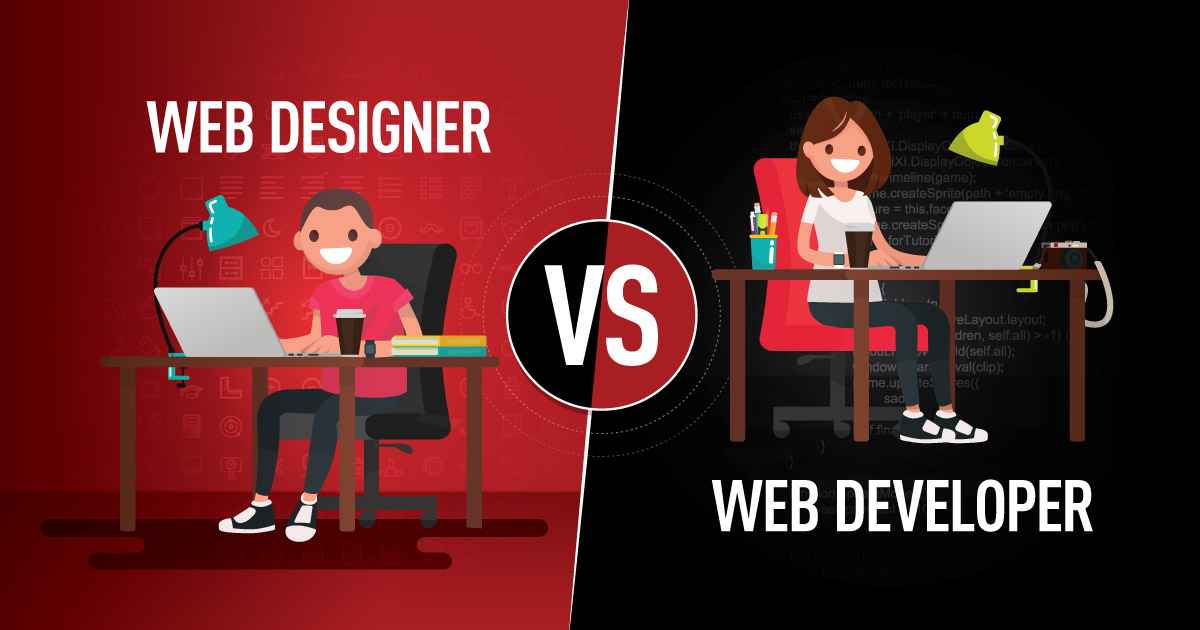
Building a modern website is no longer just about having an online presence. Today a website represents your brand your sales team your customer support channel and often the first interaction a potential customer has with your business. Whether someone wants to buy a product request a service or simply learn more about your company their first impression is usually formed within a few seconds of landing on your website.
Despite this importance many business owners entrepreneurs and even new marketers still use the terms Website Design and Website Development interchangeably. At first glance they seem to describe the same process because both contribute to building a website. In reality they represent two completely different disciplines that require different skills different tools and different ways of thinking.
Website design is concerned with the visual experience and the journey users take while interacting with a website. It answers questions such as how information should be presented where navigation should be placed and how visitors can move naturally from one page to another. Website development on the other hand focuses on transforming those visual ideas into a working product through programming databases frameworks and modern web technologies.
Understanding this distinction is essential before starting any website project. Businesses that recognize the role of both design and development usually build websites that are faster easier to use more scalable and significantly more successful in search engines. Those that ignore this difference often experience poor performance inconsistent branding technical issues and disappointing conversion rates.
Throughout this guide you will learn how website design and website development differ where they overlap and why both disciplines play a critical role in creating websites that deliver measurable business results. Whether you are planning a new website redesigning an existing one or hiring a digital agency this guide will help you make informed decisions based on business goals rather than assumptions.
Website Design vs Website Development in a Nutshell
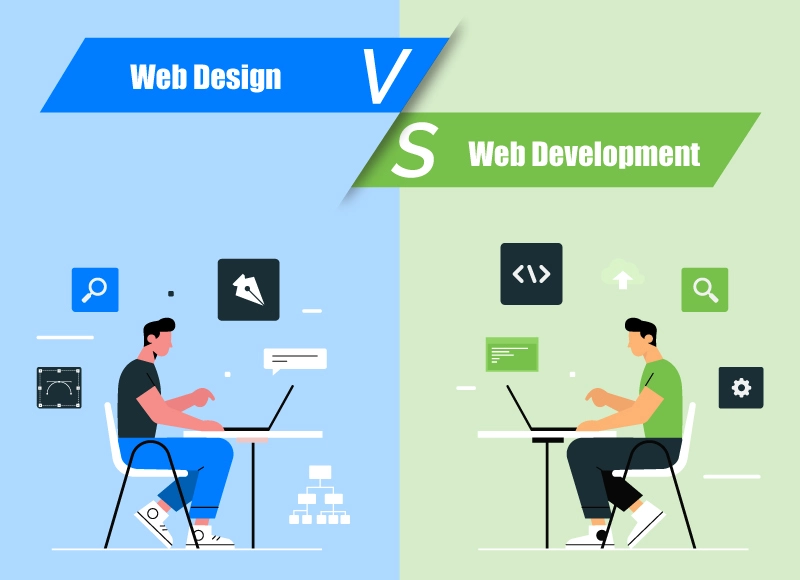
Before diving deeper into each discipline it is helpful to understand the difference in one simple explanation.
Website design focuses on how a website looks how users interact with it and how the overall experience supports business goals. Website development focuses on how the website functions by using programming languages frameworks databases and technical infrastructure to turn design concepts into a fully operational website.
Think of building a modern office building.
The architect creates the layout decides where rooms should be located plans how people move through the building and ensures every space feels comfortable and practical. The construction team then follows those plans by laying foundations installing electrical systems building the structure and making sure everything works safely and efficiently.
The same relationship exists between website designers and website developers. Designers create the experience while developers build the technology that makes the experience possible.
Neither discipline can replace the other. A visually stunning website built with poor development practices may suffer from slow loading speeds security issues and poor SEO performance. Likewise a technically perfect website with confusing navigation and outdated visuals may struggle to build trust or generate conversions.
The highest performing websites always combine excellent design with professional development from the earliest planning stages.
Why Understanding the Difference Matters

Many companies only discover the importance of design and development after problems begin to appear. Some launch websites that look impressive but load slowly because performance was never considered during development. Others invest heavily in advanced functionality while overlooking user experience leaving visitors confused about where to click or how to complete important actions.
Understanding the distinction before starting a project helps businesses avoid expensive mistakes and creates a more efficient development process.
Better Project Planning Starts With Clear Expectations
Every successful website begins with a clear strategy. When business owners understand what designers and developers actually do they can define project requirements more accurately and allocate resources where they are needed most.
For example a company planning an ecommerce website may initially believe they only need attractive product pages. After discussing the project in detail they often realize they also require secure payment integration inventory management performance optimization structured data and mobile responsiveness. These technical requirements belong to website development while the shopping experience branding and product presentation are primarily part of website design.
Having this clarity from the beginning reduces misunderstandings and keeps projects on schedule.
Design and Development Directly Influence SEO
Search engine optimization is no longer limited to keywords backlinks and content. Google’s ranking systems evaluate how users experience a website after clicking a search result. This means both website design and website development contribute directly to SEO success.
A well designed website improves readability creates logical navigation encourages visitors to explore additional pages and makes information easier to understand. These improvements often lead to stronger engagement signals such as longer session duration lower bounce rates and higher conversion rates.
Professional website development supports SEO from a technical perspective. Clean HTML efficient CSS optimized JavaScript fast loading pages structured data XML sitemaps secure HTTPS implementation and proper indexing all depend on development decisions made long before content is published.
When both disciplines work together the result is a website that satisfies users while meeting Google’s technical quality standards.
Business Growth Depends on More Than Attractive Design
Many businesses judge a website purely by appearance. While visual quality certainly influences credibility it is only one part of a successful digital experience.
Imagine visiting two different company websites. The first website immediately captures your attention with modern graphics professional branding and elegant animations. However every page loads slowly the contact form fails to submit and the mobile version is difficult to use.
The second website loads instantly and every feature works perfectly but the interface looks outdated the typography is inconsistent and important information is difficult to find.
Neither website creates an ideal customer experience. Businesses achieve the best long term results when visual design technical performance usability accessibility and search engine optimization are planned together rather than treated as separate tasks.
What Is Website Design?
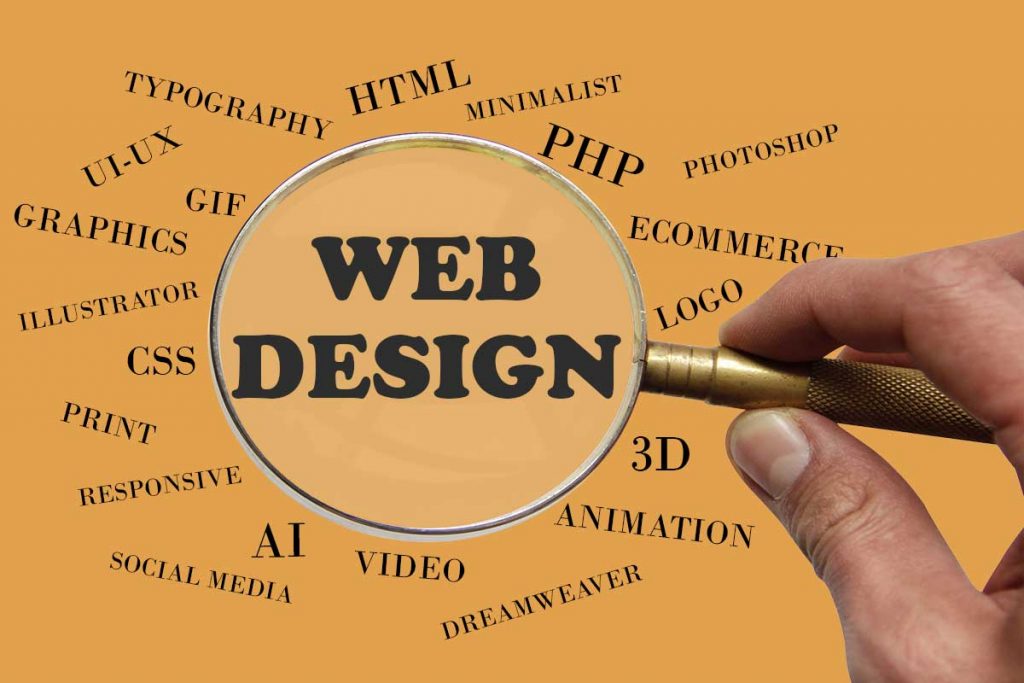
Website design is the process of planning organizing and creating the visual appearance and user experience of a website. While many people associate design with colors fonts and images professional website design extends far beyond aesthetics. Every decision made during the design process influences how visitors interact with content how they perceive a brand and whether they choose to become customers.
An effective website design removes friction from the user journey. Visitors should immediately understand where they are what the business offers and what action they should take next. Achieving this level of clarity requires a combination of visual communication psychology usability principles branding strategy and accessibility standards.
Professional designers do not simply decorate websites. They solve business problems through thoughtful user experiences that encourage trust engagement and conversions.
The Main Purpose of Website Design
The primary objective of website design is to create an experience that helps visitors accomplish their goals with as little effort as possible.
Whether someone wants to schedule a consultation purchase a product read an article or contact a business the design should guide them naturally from one step to the next. Every section every button and every visual element should have a clear purpose.
Successful website design balances business objectives with user expectations. Instead of asking what looks attractive experienced designers ask what helps users make decisions faster and with greater confidence.
This user centered approach is one of the reasons why modern website design has become an essential part of conversion rate optimization user experience and digital marketing strategy.
Website Design Is More Than Visual Appearance
One of the biggest misconceptions in the industry is that website design is simply about making a website look beautiful.
In reality professional design is built on research strategy and user behavior. Before creating layouts designers often study competitors identify customer pain points analyze user journeys and organize content in ways that reduce confusion.
Elements such as white space typography visual hierarchy responsive layouts and accessibility guidelines all contribute to how users experience a website. Even subtle decisions like button placement or navigation labels can significantly influence conversion rates.
This is why two websites with similar colors and branding can produce completely different business results. The difference often lies not in appearance but in how effectively the design supports user behavior.
Core Components of Professional Website Design
Professional website design combines multiple disciplines into a single user experience. User interface design determines how visual components such as buttons forms navigation menus and interactive elements appear throughout the website.
User experience design focuses on making every interaction intuitive efficient and enjoyable for visitors regardless of the device they use. Responsive website design ensures that layouts automatically adapt to desktops tablets and smartphones while maintaining consistency across different screen sizes.
Accessibility standards help people with visual motor or cognitive disabilities navigate the website successfully while also improving usability for every visitor. Brand consistency ensures that typography color palettes imagery iconography and messaging reinforce a recognizable identity that builds trust over time.
When these components work together the result is a website that not only looks professional but also supports SEO improves engagement and increases conversions.
What Is Website Development?
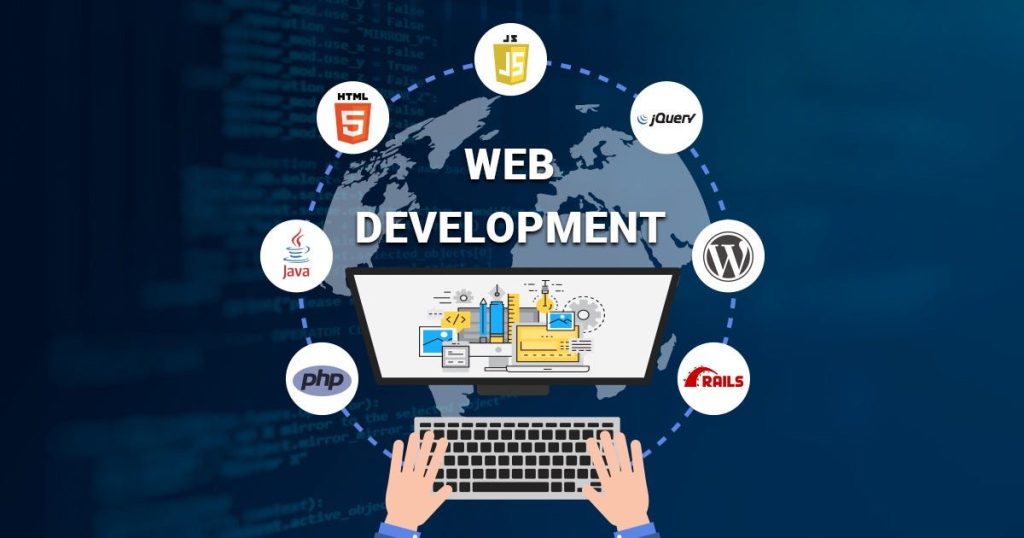
If website design defines how a website should look and feel website development is the process that brings those ideas to life. Every page you visit every form you submit every product you purchase and every animation you interact with is made possible through website development.
At its core website development is the technical foundation of a website. Developers write the code that transforms static designs into responsive interactive and fully functional digital experiences. Their work goes far beyond simply displaying content on a screen. They ensure that pages load quickly data is processed securely features work correctly across different browsers and the website remains stable as the business grows.
Modern website development has also become one of the most important factors in search engine optimization. Google evaluates websites based on technical quality as much as visual quality. Loading speed mobile responsiveness structured data website security crawlability and Core Web Vitals are all directly influenced by development decisions.
A well developed website creates a seamless experience for users while providing search engines with a clean accessible and technically optimized structure. Without strong development even the most attractive website can struggle with slow performance indexing issues and poor user engagement.
The Main Purpose of Website Development
The goal of website development is not simply to write code. Its purpose is to build a reliable digital product that performs consistently under real world conditions.
Every website contains hundreds or even thousands of technical processes that visitors never see. When someone submits a contact form signs into an account filters products or completes a payment developers have already built the systems that make those interactions possible.
Professional development also ensures that websites remain secure maintainable and scalable. As businesses grow their websites often need additional pages integrations APIs multilingual functionality or ecommerce features. Clean development makes these improvements possible without rebuilding the entire website from scratch.
A successful developer therefore thinks beyond today’s launch and prepares the website for tomorrow’s growth.
Front End Development Explained
Front End Development focuses on everything users interact with inside a web browser. It transforms design files into responsive web pages that function smoothly on desktops tablets and mobile devices.
While designers create layouts typography colors and user interfaces front end developers convert those visual assets into working code using technologies such as HTML CSS and JavaScript.
Their responsibility is to ensure that every visual component behaves exactly as intended. Navigation menus should open smoothly buttons should respond instantly images should scale correctly and content should remain readable regardless of screen size.
Modern front end development also emphasizes performance. Heavy animations oversized images unnecessary JavaScript and poorly optimized CSS can significantly reduce page speed and negatively affect both user experience and SEO.
Because Google’s ranking systems increasingly reward websites with excellent page experience front end development plays a direct role in improving organic visibility.
Back End Development Explained
While visitors experience the front end the back end operates behind the scenes.
Back End Development manages the server database application logic authentication and communication between different systems. Every time a visitor logs into an account places an order submits a form or retrieves information from a database the back end processes those requests.
For example an ecommerce website may display thousands of products on the front end but every product description inventory level customer order and payment record is managed through the back end.
Developers working on the server side typically build systems that prioritize security efficiency and stability. They ensure customer information remains protected sensitive transactions are encrypted and websites continue functioning even when traffic increases significantly.
Without a reliable back end many of the features users expect from modern websites simply would not exist.
What Is Full Stack Development?
A Full Stack Developer combines both front end and back end development skills.
Instead of specializing in only one part of a website full stack developers understand how every layer of the application works together. They can create user interfaces build databases develop APIs optimize server performance and troubleshoot issues throughout the entire development process.
This broad knowledge makes full stack developers particularly valuable for startups small businesses and agencies where projects often require flexibility across multiple technologies.
However larger organizations frequently divide these responsibilities among specialized front end developers back end developers DevOps engineers and software architects to achieve greater scalability and efficiency.
Programming Languages Used in Website Development
| Programming Language | Main Purpose | Development Type | Common Uses | Key Benefits |
|---|---|---|---|---|
| HTML | Creates the basic structure and content hierarchy of web pages. | Front End Development | Website structure, headings, paragraphs, images, forms, and page elements. | Simple, lightweight, universally supported, and essential for every website. |
| CSS | Controls the visual appearance and layout of websites. | Front End Development | Colors, typography, spacing, animations, responsive layouts, and visual design. | Creates attractive interfaces and improves user experience across devices. |
| JavaScript | Adds interactive features and dynamic behavior to websites. | Front End and Full Stack Development | Interactive menus, animations, web applications, real time updates, and dynamic content. | Enables modern interactive experiences and powerful web applications. |
| PHP | Handles server side logic and processes website functionality. | Back End Development | Content management systems, ecommerce websites, databases, and web applications. | Flexible, widely supported, and commonly used with platforms like WordPress. |
| Python | Provides a powerful framework for building scalable web applications. | Back End Development | Web applications, automation systems, artificial intelligence integrations, and data driven platforms. | Simple syntax, high scalability, and strong ecosystem of libraries. |
| Java | Builds large scale and enterprise level web applications. | Back End Development | Enterprise software, financial platforms, large business applications, and complex systems. | Reliable, secure, scalable, and widely used in large organizations. |
| C# | Creates powerful applications using Microsoft’s development ecosystem. | Back End Development | Enterprise websites, business applications, cloud based solutions, and web APIs. | Strong performance, excellent tools, and suitable for large projects. |
| Ruby | Simplifies the development of modern web applications. | Back End Development | Startups, web applications, rapid prototypes, and database driven websites. | Developer friendly syntax and fast application development. |
| TypeScript | Improves JavaScript development with additional type safety. | Front End and Full Stack Development | Large web applications, enterprise platforms, and complex frontend projects. | Better code reliability, easier maintenance, and improved developer productivity. |
| SQL | Manages and retrieves data from relational databases. | Database Development | User accounts, ecommerce products, customer data, and website databases. | Efficient data management and reliable information storage. |
| Node.js | Allows developers to use JavaScript for server side development. | Back End and Full Stack Development | APIs, real time applications, dashboards, and scalable web platforms. | Fast development, high performance, and JavaScript based full stack workflows. |
Every website is powered by programming languages that handle different responsibilities. HTML provides the structural foundation of every web page by organizing headings paragraphs images forms and navigation. CSS controls the visual presentation of those elements including layouts spacing typography colors and responsive behavior across different devices.
JavaScript adds interactivity allowing websites to respond dynamically to user actions without constantly reloading pages. On the server side languages such as PHP Python Java C# Ruby and JavaScript through Node.js process data authenticate users communicate with databases and power complex business logic.
Although visitors rarely notice these technologies they are responsible for nearly every interactive feature found on modern websites. Choosing the right programming language depends on project requirements scalability long term maintenance and available development resources rather than popularity alone.
Frameworks and Modern Development Technologies
Modern developers rarely build complex websites entirely from scratch. Instead they use frameworks and development platforms that improve efficiency maintain code quality and simplify long term maintenance.
React and Vue are widely used for building dynamic user interfaces while Angular remains popular for large enterprise applications. Laravel has become one of the leading PHP frameworks because of its clean architecture security features and development speed.
For businesses that require content management systems WordPress continues to power a significant portion of the web due to its flexibility SEO capabilities and extensive ecosystem. Businesses focused on ecommerce frequently choose Shopify or WooCommerce depending on customization requirements and business goals.
Selecting the appropriate technology stack should always begin with business needs rather than technology trends.
Why Clean Code Matters More Than Most Businesses Realize
Visitors rarely see source code but they experience its quality every second they spend on a website.
Poorly written code often results in slow loading pages broken layouts unnecessary server requests security vulnerabilities and maintenance challenges. These issues not only frustrate users but also reduce search visibility and increase development costs over time.
Clean code follows consistent standards removes unnecessary complexity and makes future improvements easier. Developers can quickly identify problems introduce new functionality and optimize performance without affecting the stability of the website.
From an SEO perspective clean code also improves crawlability. Search engines can understand page structure more efficiently when HTML is semantic scripts are optimized and unnecessary resources are eliminated.
Although clean code remains invisible to users it directly influences the speed reliability and long term success of a website.
How Website Development Impacts SEO
Many businesses think SEO begins after a website is launched but experienced developers know that technical SEO starts during development.
Every architectural decision influences how search engines crawl index and evaluate a website.
Efficient website development plays a key role in improving loading speed, optimizing Core Web Vitals performance and creating a smoother user experience. By using clean semantic HTML structures, search engines can better understand the content hierarchy and relevance of each page. In addition, implementing structured data helps websites gain better visibility in search results and increase the opportunity to appear in rich snippets. Compared with paid strategies such as SEO vs Google Ads, a well-optimized website provides long-term organic growth by improving technical performance, content understanding and search engine trust.
Development also affects XML sitemaps canonical tags robots directives internal linking URL structures image optimization lazy loading caching and server response times. These technical elements work together to create a website that is easier for both users and search engines to navigate.
A technically optimized website gives great content a stronger opportunity to rank competitively in search results.
Common Misconceptions About Website Development
Many people believe website development only involves writing code but modern development extends far beyond programming.
Developers regularly collaborate with designers SEO specialists content strategists marketers and project managers to create websites that meet both technical and business objectives.
Another common misconception is that visual page builders eliminate the need for developers. While modern platforms simplify many tasks professional development remains essential for performance optimization security custom functionality third party integrations scalability and technical SEO.
Successful websites are rarely the result of design or development alone. Instead they emerge from close collaboration between specialists who understand how every technical decision influences user experience search visibility and business growth.
As digital experiences continue to evolve, professional website development is becoming a critical factor for business success. Building a strong technical foundation helps websites achieve better performance, improved SEO results, easier maintenance and a more engaging experience for users. Companies that prioritize scalable development strategies can create long-term growth opportunities while maximizing their investment. Understanding factors such as How Much Does SEO Cost also helps businesses make smarter decisions when planning their digital marketing budget and choosing the right approach for sustainable online visibility.
Website Design vs Website Development: Understanding the Key Differences

| Comparison Factor | Website Design | Website Development |
|---|---|---|
| Main Purpose | Focuses on creating the visual experience, user journey, and interface that visitors interact with. | Focuses on building the technical structure, functionality, and systems that make the website work. |
| Primary Focus | User experience (UX), user interface (UI), branding, layout, and visual communication. | Programming, databases, website performance, security, and technical architecture. |
| Main Question It Answers | How should the website look and how should users interact with it? | How should the website function and how can technology support business goals? |
| Key Responsibilities | Creating wireframes, designing layouts, selecting typography, improving navigation, and developing user flows. | Writing code, creating databases, building features, optimizing performance, and maintaining website functionality. |
| Main Skills Required | UX design, UI design, visual design, user psychology, branding, and accessibility principles. | HTML, CSS, JavaScript, programming languages, databases, APIs, and server management. |
| Professionals Involved | UX Designers, UI Designers, Web Designers, Product Designers. | Front End Developers, Back End Developers, Full Stack Developers. |
| Common Tools | Figma, Adobe XD, Sketch, Photoshop, Illustrator. | Visual Studio Code, Git, GitHub, Development Frameworks, Database Tools. |
| Technical Knowledge | Basic understanding of HTML, CSS, and responsive design is helpful but advanced coding is usually not required. | Requires strong knowledge of programming, software architecture, and technical problem solving. |
| SEO Impact | Improves user experience, navigation, readability, engagement, and conversion rates. | Improves page speed, crawlability, Core Web Vitals, indexing, security, and technical SEO. |
| Performance Impact | Influences how users perceive and interact with website elements. | Directly affects loading speed, responsiveness, scalability, and technical reliability. |
| Primary Goal | Create a website experience that is attractive, intuitive, and easy to use. | Create a website that is fast, secure, functional, and scalable. |
| Example Tasks | Designing homepage layouts, creating navigation structures, improving user flows, and designing mobile interfaces. | Developing payment systems, creating databases, optimizing code, and integrating third party services. |
| Final Outcome | A visually appealing website that provides a strong user experience. | A technically reliable website that performs efficiently across platforms. |
| Best Used For | Improving branding, customer experience, conversions, and website usability. | Improving functionality, speed, security, and long term website growth. |
Now that we have explored website design and website development individually it becomes much easier to understand how they differ. Although both disciplines contribute to building a successful website they approach the project from completely different perspectives.
Website designers focus on how users experience a website while developers focus on how the website performs behind the scenes. One shapes the customer journey through visual communication and usability while the other builds the technical infrastructure that makes every interaction possible.
The important thing to remember is that these differences do not create competition between designers and developers. Instead they highlight why successful websites require collaboration from the earliest planning stage through launch and long term maintenance.
Design Focuses on Experience While Development Focuses on Functionality
The most fundamental difference between website design and website development is their primary objective.
A website designer is responsible for creating an interface that feels intuitive engaging and visually consistent. Every decision is made with the visitor in mind. Designers carefully consider page hierarchy navigation typography spacing color psychology and content presentation to ensure users can easily find information and complete important actions.
A website developer approaches the same project from a technical perspective. Their responsibility is to transform those visual concepts into a working product by writing clean code integrating databases building APIs optimizing performance and ensuring every feature behaves correctly.
For example a designer may decide where the “Request a Quote” button should appear because its placement increases visibility and encourages more clicks. The developer then writes the code that processes the submitted information stores it securely and sends it to the appropriate sales representative.
The user only sees one button but behind that simple interaction both design and development play equally important roles.
Different Skills Lead to Different Responsibilities
Although designers and developers work on the same project their daily responsibilities are very different.
Website designers spend much of their time researching user behavior planning page layouts building wireframes creating interactive prototypes and refining visual consistency. They rely heavily on creativity problem solving communication and an understanding of user psychology.
Website developers focus on technical implementation. They write code debug applications optimize databases configure servers improve security and integrate external services such as payment gateways CRM platforms or marketing automation tools.
This difference in responsibility explains why businesses often hire both professionals instead of expecting one person to perform every task at an expert level. As websites become more complex specialization allows both design quality and technical quality to improve simultaneously.
The Tools Used by Designers and Developers Are Completely Different
Another clear difference lies in the tools each professional uses throughout the project.
Designers typically work inside applications that allow them to create layouts prototypes and design systems before any code is written. These tools help stakeholders visualize the final product and approve user flows before development begins.
Developers work in programming environments where they build functionality test performance manage version control and deploy websites to production servers. Their workflow includes debugging code optimizing assets monitoring performance and maintaining technical stability.
Although modern collaboration platforms allow both teams to work more efficiently they still rely on different software because their objectives are fundamentally different.
- The designer creates the blueprint.
- The developer builds the product.
Website Design and Website Development Have Different Success Metrics
Success is measured differently for designers and developers because they solve different problems.
A successful website designer looks at metrics such as user engagement readability navigation efficiency accessibility and conversion behavior. If visitors can quickly understand the website navigate naturally and complete important actions the design is performing well.
A successful website developer evaluates performance through loading speed stability security scalability uptime and technical reliability. They monitor whether pages render correctly APIs respond efficiently databases process requests quickly and the website continues functioning under increasing traffic.
Interestingly many business KPIs depend on both disciplines working together. For example higher conversion rates may result from better visual hierarchy designed by the designer combined with faster page speed implemented by the developer.
Similarly improved SEO rankings often require excellent user experience alongside technically optimized code. Neither discipline can achieve these outcomes independently.
How Design and Development Influence SEO in Different Ways
Search engine optimization is one of the best examples of how website design and website development complement each other.
Website design contributes to SEO by improving the overall user experience. Clear navigation logical content structure readable typography responsive layouts and effective internal linking help visitors stay engaged longer and explore additional pages. These positive behavioral signals support stronger search performance over time.
Website development contributes to SEO from a technical perspective. Developers optimize page speed improve Core Web Vitals implement structured data create crawlable site architecture manage canonical tags configure XML sitemaps and ensure search engines can efficiently access every important page.
Consider a business website that publishes valuable content every week. If the articles are beautifully organized but require ten seconds to load visitors will likely leave before reading them.
If the pages load instantly but the typography is difficult to read and navigation is confusing users may abandon the website anyway. True SEO success happens when user experience and technical performance improve together.
Which One Has a Greater Impact on Business Growth?
Business owners often ask whether they should invest more in website design or website development.
The honest answer depends on the current stage of the business but in most cases separating the two is the wrong approach.
For a new startup an attractive brand identity and intuitive user experience help establish trust from the very first visit. At the same time reliable development ensures the website loads quickly remains secure and supports future growth.
For an ecommerce business design influences purchasing decisions while development manages inventory payment processing customer accounts and order management.
For a service based company design improves lead generation while development ensures contact forms CRM integrations analytics tracking and booking systems operate without interruption. Every successful website depends on both disciplines supporting the same business objectives rather than competing for priority.
How Website Design and Website Development Work Together
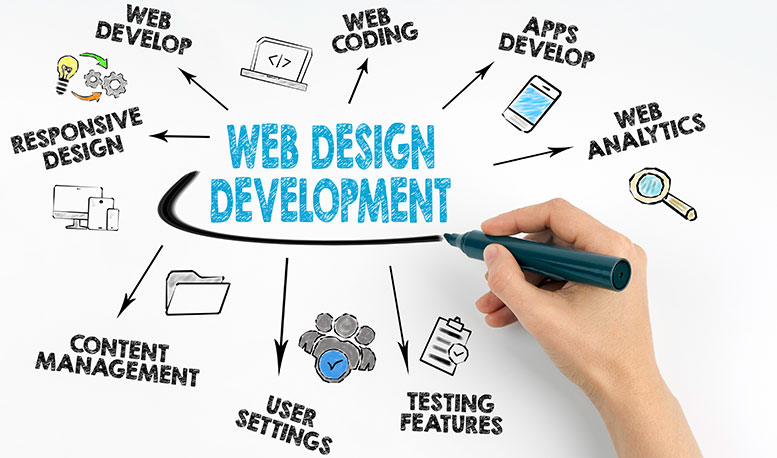
One of the biggest misconceptions in web projects is that design ends before development begins. In reality the two disciplines collaborate continuously throughout the entire project.
Professional web teams rarely follow a process where designers disappear after delivering mockups. Instead developers provide technical feedback during the design phase while designers continue refining interfaces as development progresses.
This collaborative workflow reduces errors improves efficiency and creates better user experiences.
Every Successful Website Starts With Strategy
Before designers create layouts or developers write code the project begins with understanding business goals. Questions such as who the target audience is what problems the website should solve what actions visitors should take and how success will be measured influence every decision that follows.
Skipping this strategic phase often results in attractive websites that fail to generate leads or technically advanced websites that provide little business value. A strong strategy aligns design decisions development priorities SEO planning and content creation from the beginning.
Design Creates the Blueprint
Once business goals are defined designers begin organizing information into logical page structures. Wireframes establish content hierarchy while high fidelity mockups demonstrate typography color systems imagery navigation and interactive components.
At this stage developers frequently review designs to identify potential performance concerns accessibility issues or implementation challenges before coding begins. This early collaboration prevents expensive revisions later in the project.
Development Transforms Ideas Into Reality
After design approval developers begin building the website using modern programming languages frameworks and content management systems.
- Responsive layouts become functional web pages.
- Interactive prototypes become real navigation systems.
- Static contact forms become secure communication channels.
- Visual ecommerce pages become fully operational online stores capable of processing thousands of transactions.
Throughout this phase developers continuously optimize performance improve security test browser compatibility and ensure every feature works consistently across devices.
Testing and Continuous Improvement Never Stop
Launching a website is not the end of development. Successful businesses continue monitoring performance analyzing user behavior improving Core Web Vitals updating content fixing technical issues and introducing new functionality based on customer feedback.
Designers may refine layouts after reviewing heatmaps or user recordings while developers optimize code after identifying performance bottlenecks. This continuous improvement cycle helps websites remain competitive as technology user expectations and search engine algorithms evolve.
Organizations that treat websites as living digital assets rather than finished products consistently achieve stronger SEO performance better user engagement and higher conversion rates over the long term.
Collaboration Produces Better Results Than Individual Expertise
Perhaps the most important lesson is that exceptional websites are never created by designers or developers working in isolation. Design provides clarity trust and emotional connection.
Development provides speed stability scalability and functionality.
When these disciplines work together they create websites that not only look professional but also perform exceptionally well in search engines deliver outstanding user experiences and support measurable business growth for years to come.
How Website Design Affects SEO
For many years SEO was associated mainly with keywords backlinks and content optimization. While these elements are still important Google’s ranking systems have evolved significantly. Today search engines evaluate how users experience a website after they click on a search result. This means that website design has become an important part of modern SEO.
A website with excellent content can still struggle to rank if visitors find it difficult to navigate or abandon the page because the experience feels confusing. Likewise a website that offers a smooth intuitive experience encourages users to stay longer explore additional pages and interact with the business.
Although website design is not a direct ranking factor on its own it strongly influences many user signals that search engines use to evaluate page quality.
User Experience Is the Foundation of Modern SEO
Google’s goal is to deliver the best possible experience for every searcher. This is why user experience has become closely connected with search engine optimization.
When visitors arrive on a website they immediately begin evaluating it without even realizing it. They decide whether the page looks trustworthy whether information is easy to find and whether continuing to browse is worth their time. Professional website design removes uncertainty from this process.
Clear navigation logical content hierarchy readable typography and consistent layouts allow users to move naturally through the website. Instead of searching for important information visitors can focus on achieving their goals.
When users remain engaged they typically spend more time on the website visit additional pages and interact with more content. These positive engagement signals often indicate that the page successfully satisfies search intent.
Design therefore supports SEO by helping users quickly find exactly what they came for.
Mobile Responsive Design Is No Longer Optional
More than half of global website traffic now comes from mobile devices which is why Google primarily evaluates the mobile version of a website when determining search rankings. A responsive website design automatically adapts to different screen sizes without sacrificing usability or readability.
Visitors should never need to zoom pinch the screen or struggle to tap navigation elements. Text should remain readable images should scale naturally and every interactive component should function smoothly regardless of device.
Poor mobile experiences often result in frustrated users leaving within seconds. This increases bounce rates reduces engagement and ultimately limits organic growth. Businesses that invest in responsive website design create better experiences for both users and search engines.
Navigation Helps Search Engines Understand Your Website
Navigation is often viewed as a purely visual element but it also plays an important technical role. Well organized navigation helps visitors understand where they are what information is available and how different pages relate to one another.
At the same time search engine crawlers use navigation to discover pages understand website hierarchy and evaluate internal linking structures. For example a service based business might organize its navigation around primary services industries resources and company information. This logical structure allows visitors to find content quickly while also helping Google recognize topical relationships between pages.
When navigation becomes cluttered inconsistent or overly complex both users and search engines struggle to understand the website. Simple navigation almost always performs better than complicated navigation.
Visual Hierarchy Improves Content Readability
Professional website design guides users through information in a predictable order.
Large headings attract attention first followed by supporting text images calls to action and related content. This visual hierarchy reduces cognitive effort because visitors immediately understand what deserves their attention.
From an SEO perspective clear structure also improves content comprehension.
Well organized pages encourage visitors to continue reading rather than scanning briefly before leaving. Designers accomplish this by balancing typography spacing contrast imagery and section organization.
Readable content is not only appreciated by users but also supports Google’s broader objective of delivering satisfying search experiences.
Accessibility Supports Better SEO
Accessibility is frequently discussed as a legal or ethical responsibility but it also improves overall website quality. Accessible websites are easier for everyone to use including people relying on screen readers keyboard navigation or assistive technologies.
Design decisions such as sufficient color contrast descriptive button labels readable typography logical heading structure and clear focus states improve usability across all audiences. Many accessibility best practices also help search engines interpret page content more effectively because they encourage semantic organization and meaningful structure.
Creating accessible experiences ultimately benefits users businesses and search visibility simultaneously.
Trust Signals Increase User Confidence
Visitors form opinions about websites within only a few moments. Professional visual design immediately communicates credibility while outdated layouts inconsistent branding broken elements or excessive clutter create hesitation.
Trust plays a significant role in industries such as healthcare finance legal services and ecommerce where visitors often share personal information or complete financial transactions.
Design elements including testimonials client logos security badges professional imagery consistent branding and transparent contact information reassure visitors that the business is legitimate.
Higher trust frequently leads to longer sessions stronger engagement and improved conversion rates which indirectly strengthen SEO performance over time.
How Website Development Affects SEO
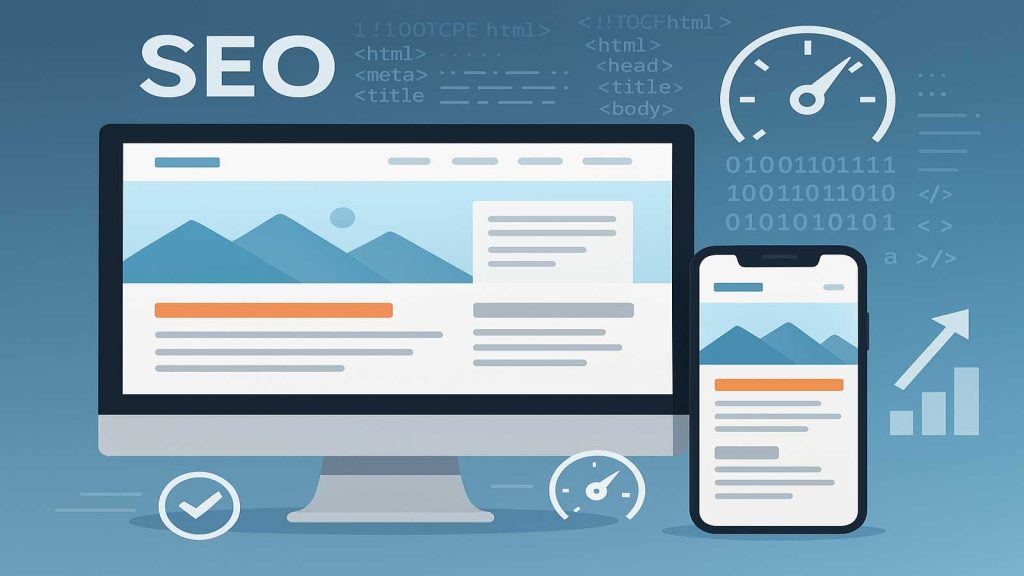
While design shapes the visitor experience website development creates the technical foundation that allows search engines to crawl index and evaluate every page efficiently. Many of Google’s most important ranking signals are directly influenced by development decisions made long before content is published.
A technically optimized website helps search engines access content quickly while providing visitors with fast secure and reliable experiences. Without strong website development even outstanding content may struggle to achieve its full ranking potential.
Website Speed Directly Influences Search Performance
Website speed is one of the most important technical factors affecting both SEO and user satisfaction. Modern users expect pages to load almost instantly. Even small delays increase the likelihood that visitors will leave before interacting with content.
Developers improve performance by optimizing code compressing images minimizing unnecessary scripts implementing browser caching reducing server response times and eliminating render blocking resources. These optimizations contribute to stronger Core Web Vitals scores while also creating smoother browsing experiences. Fast websites encourage users to stay longer consume more content and complete more conversions.
Core Web Vitals Begin With Development
Core Web Vitals measure real user experience through metrics such as loading performance visual stability and responsiveness. Although designers influence some aspects of these metrics development determines how efficiently the website delivers its resources.
Developers optimize image loading reduce layout shifts improve server response times prioritize critical content and minimize JavaScript execution. These technical improvements not only satisfy Google’s performance recommendations but also create noticeably better experiences for visitors using slower internet connections or older devices.
Technical SEO Depends on Development
Many essential SEO components exist entirely behind the scenes. Developers implement XML sitemaps robots directives canonical tags structured data breadcrumb markup pagination handling and clean URL structures.
They also ensure search engines can crawl important pages without encountering unnecessary redirects duplicate content or server errors. Technical SEO creates the infrastructure that allows content to be discovered understood and indexed efficiently.
Without this foundation even high quality articles may never reach their ranking potential.
Website Security Builds User and Search Engine Trust
Security has become a fundamental expectation rather than an optional feature. Visitors expect websites to protect personal information payment details and login credentials.
Developers implement HTTPS encryption secure authentication systems regular software updates firewall protection and vulnerability monitoring to reduce security risks.
A secure website protects both the business and its customers while supporting long term search visibility. Google has consistently encouraged secure browsing experiences and continues prioritizing websites that meet modern security standards.
Clean Code Makes Websites Easier to Crawl
Search engines read websites very differently from human visitors. Instead of evaluating colors or animations crawlers analyze HTML structure semantic elements metadata internal links and technical relationships between pages.
Developers who write clean semantic code help search engines understand page hierarchy more accurately. Logical heading structures optimized HTML meaningful internal links and properly implemented structured data improve crawl efficiency and content interpretation.
Clean development also reduces unnecessary complexity which benefits future maintenance and scalability.
Scalability Protects Future SEO Growth
Many websites launch successfully but struggle as they grow. Adding hundreds of pages new services multilingual content ecommerce functionality or advanced search capabilities becomes difficult when the original development lacks scalability.
Professional developers build flexible architectures that support future expansion without sacrificing performance or SEO. As businesses evolve their websites should be able to accommodate new content categories marketing campaigns integrations and user demands without requiring a complete rebuild. Scalable development reduces long term costs while preserving search authority already earned through previous SEO efforts.
Why Design and Development Should Never Be Separated
One of the biggest mistakes businesses make is treating design and development as unrelated services. In reality they continuously influence one another.
A designer may create an outstanding user interface but poor development can introduce slow loading times broken layouts and technical errors. Likewise exceptional development cannot compensate for confusing navigation weak branding or poor user experience.
The highest performing websites combine thoughtful design with technically optimized development from the earliest planning stages.
When both disciplines support the same business objectives the result is a website that delivers excellent SEO performance stronger engagement improved conversions and sustainable long term growth.
Website Design vs Website Development: Which One Does Your Business Need?
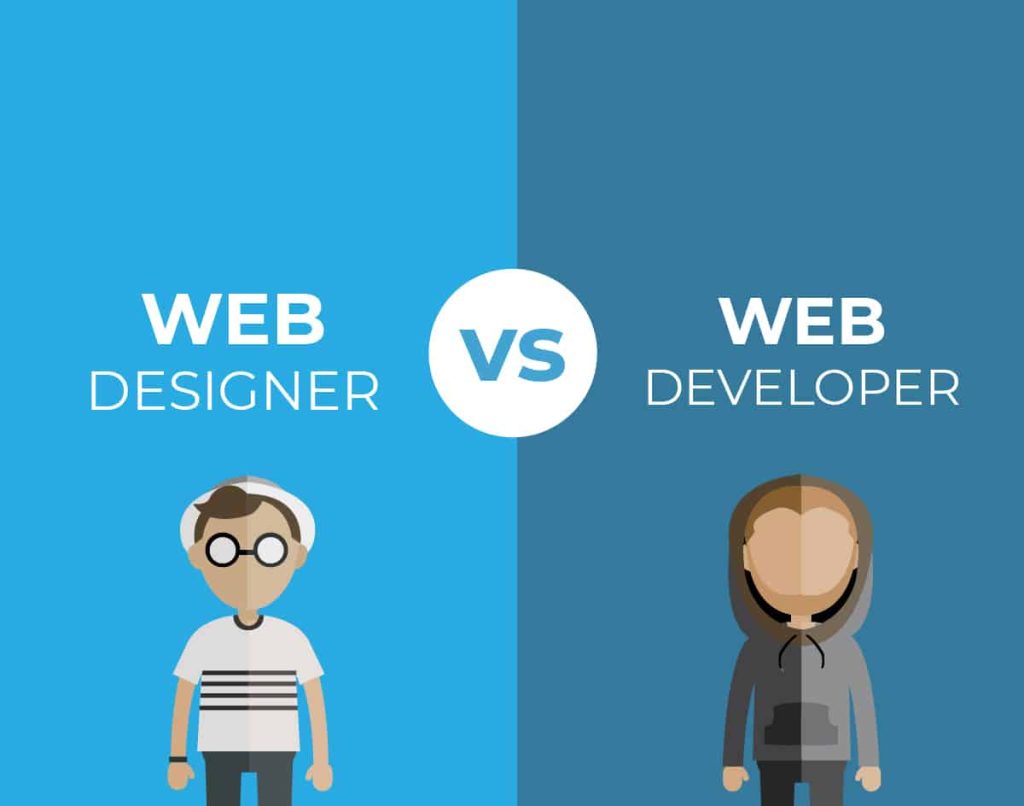
| Business Situation | Website Design Is Needed | Website Development Is Needed | Best Approach |
|---|---|---|---|
| Your website looks outdated | The visual style, branding, layout, and user experience feel old or inconsistent. | Development may not be required unless the existing technology is also outdated. | Focus on website redesign and improving user experience. |
| Your website receives traffic but generates few conversions | Visitors may struggle with navigation, page structure, trust elements, or calls to action. | Technical issues such as slow pages or broken features may also affect conversions. | Improve both design and technical performance based on user behavior analysis. |
| Your website loads slowly | Design improvements can reduce unnecessary visual elements and improve user experience. | Code optimization, caching, image optimization, and technical improvements are required. | Prioritize website development and performance optimization. |
| Your website is difficult to use on mobile devices | Responsive layouts, better navigation, and mobile user experience improvements are needed. | Developers may need to fix responsive coding issues and technical compatibility problems. | Combine responsive design with front end development improvements. |
| You want to launch a new business website | Design helps establish branding, page structure, and customer journey. | Development creates the functional website, integrations, and technical foundation. | Invest in both website design and website development from the beginning. |
| You need custom features or advanced functionality | Design defines how users interact with new features. | Development builds complex systems, databases, APIs, and integrations. | Prioritize professional website development with design collaboration. |
| Your website has SEO problems | Poor structure, unclear navigation, and weak user experience may affect engagement. | Technical SEO issues such as crawl errors, slow speed, indexing problems, and poor architecture require development fixes. | Combine UX improvements with technical SEO optimization. |
| Your brand identity has changed | New colors, typography, visual style, and layouts are required. | Development changes may be needed to implement the new design properly. | Start with website design and update development if necessary. |
| Your website cannot handle business growth | Design improvements may help usability as new products or services are added. | Scalability, database optimization, server improvements, and architecture updates are required. | Focus on website development and scalable solutions. |
| You want to improve customer experience | UX research, improved layouts, better navigation, and clearer content presentation are needed. | Technical improvements may support faster and smoother interactions. | Begin with user experience design and optimize technology where needed. |
| You are building an ecommerce website | Product pages, checkout experience, visual trust signals, and customer journey require professional design. | Payment gateways, inventory systems, security, and ecommerce functionality require development. | Both services are essential for ecommerce success. |
| You need a website redesign | Focus on improving appearance, usability, branding, and conversion paths. | Review existing code, platform limitations, speed, and technical structure. | Combine redesign with technical improvements for better results. |
After understanding the differences between website design and website development one question naturally follows.
Which one does your business actually need?
The answer is rarely as simple as choosing one over the other. Every website relies on both disciplines to some extent. The real question is not whether you need website design or website development but which area deserves greater attention based on your current business goals.
A newly launched startup has very different priorities from an established ecommerce brand. Likewise a company planning a complete website redesign will require a different combination of design and development services than a business looking to improve website performance.
Understanding your current situation helps you invest your budget more effectively while avoiding unnecessary work.
When Your Business Needs Website Design
There are situations where improving the visual experience will have a greater impact than adding new technical functionality.
For example imagine a company whose website loads quickly and functions without technical issues but still struggles to generate leads. Visitors arrive on the homepage yet very few complete the contact form or request a consultation.
- In many cases the problem is not technical.
- The navigation may be confusing.
- The typography may be difficult to read.
- Calls to action may not stand out.
- Important information may be hidden below the fold.
- The overall brand identity may fail to build trust.
A professional website designer identifies these usability problems and creates a smoother customer journey that encourages visitors to take action. Businesses often benefit from website design services when they are rebranding launching a new company improving conversion rates or modernizing an outdated online presence.
When Your Business Needs Website Development
Other businesses face the opposite challenge. Their website looks modern and professionally designed but technical limitations prevent growth. Pages may load slowly. Online forms may stop working. Customers may experience checkout errors.
The website may perform poorly on mobile devices. Search engines may struggle to crawl important pages.
These are development challenges rather than design problems. Professional website development focuses on solving technical issues that affect performance security scalability and SEO.
Businesses usually require development services when launching new functionality integrating third party software improving website speed migrating to a new platform or rebuilding outdated systems.
Without a strong technical foundation even the best design cannot achieve long term success.
Most Businesses Need Both Design and Development
The reality is that very few successful websites rely exclusively on one discipline. Every website represents a combination of visual communication and technical engineering. Consider a modern ecommerce website.
Customers expect attractive product pages professional branding and intuitive navigation. At the same time they also expect secure payments fast loading pages accurate inventory management personalized recommendations and reliable checkout experiences. Meeting these expectations requires continuous collaboration between designers and developers.
The same principle applies to corporate websites SaaS platforms healthcare organizations educational institutions and local service businesses. When both teams work together the final website feels seamless because users never notice where design ends and development begins.
Real World Examples of Website Design and Website Development
Understanding theory is useful but seeing how design and development work together in real business situations makes the difference much clearer. The following examples illustrate how each discipline contributes to solving different business challenges.
Example One: Redesigning a Local Business Website
A local law firm wanted to generate more consultation requests through its website.
The existing website contained valuable information but visitors struggled to find important services. The homepage looked outdated navigation was inconsistent and the mobile experience created frustration.
The design team reorganized the information architecture simplified navigation improved typography strengthened calls to action and created a cleaner visual identity that reflected professionalism and trust.
At the same time the development team optimized page speed rebuilt the mobile layout improved Core Web Vitals implemented structured data and fixed technical SEO issues affecting indexability.
Within a few months the website provided a noticeably better user experience while also attracting more qualified organic traffic. Neither design nor development alone would have produced the same result.
Example Two: Scaling an Ecommerce Website
An online retailer experienced rapid business growth but the website struggled during seasonal promotions. Customers reported slow loading pages abandoned shopping carts and payment errors during periods of high traffic. Although the website’s visual design remained effective the technical infrastructure required significant improvement.
Developers optimized database queries introduced caching improved server performance reduced unnecessary JavaScript and strengthened overall security. Designers also simplified the checkout process reduced unnecessary form fields and improved mobile usability. The result was a faster shopping experience lower cart abandonment and higher customer satisfaction. This example demonstrates how business growth often depends on continuous collaboration between design and development teams.
Example Three: Launching a Startup Website
A technology startup needed to establish credibility before approaching investors and early customers. Rather than focusing only on visual appearance the project began with understanding the target audience business goals and competitive landscape.
Designers created a modern interface that clearly communicated the company’s value proposition while developers built a lightweight high performance website optimized for SEO accessibility and future scalability. Because both disciplines worked together from the planning stage the startup launched with a professional website capable of supporting future expansion without requiring major redevelopment.
Common Mistakes Businesses Make
Many website projects become more expensive and less effective because of avoidable mistakes made during planning. Understanding these challenges before starting a project can save significant time money and frustration.
Choosing Appearance Over Performance
Some businesses evaluate websites only by visual quality. Beautiful animations large videos and complex interactive elements may initially impress visitors but excessive visual effects often reduce loading speed and negatively affect SEO.
Professional website design should always balance creativity with usability and performance. An attractive website that loads slowly rarely delivers strong business results.
Ignoring User Experience During Development
Developers sometimes focus exclusively on technical implementation without considering how real users interact with the website. Features may function perfectly from a programming perspective while remaining confusing for customers.
Successful development always considers usability alongside functionality. The best technical solution is not necessarily the most complicated one but the one that helps users accomplish their goals efficiently.
Treating SEO as an Afterthought
Many organizations postpone SEO until after development is complete. This approach frequently leads to expensive revisions because URL structures internal linking page hierarchy metadata and technical optimization should all be planned before launch.
Integrating SEO into both the design process and the development process creates stronger long term results while reducing unnecessary redevelopment.
Believing One Person Can Master Everything
There are talented professionals capable of handling both website design and website development especially on smaller projects. However as websites become larger and more sophisticated specialization usually produces better outcomes.
Experienced designers dedicate years to mastering user psychology branding accessibility and interface design. Developers invest similar effort learning programming languages security optimization databases APIs and software architecture.
Businesses should focus less on hiring someone who claims to do everything and more on building a team with complementary expertise.
Best Practices for Building a Successful Website
Regardless of industry or business size the highest performing websites follow several common principles. Projects should always begin with business objectives rather than visual preferences.
User experience should guide every design decision from navigation to content hierarchy. Development should prioritize clean code performance security and scalability instead of quick technical shortcuts.
SEO should be integrated throughout planning design development and content creation rather than added after launch. Regular testing should continue after deployment because websites evolve alongside customer expectations search engine algorithms and business requirements. Most importantly designers developers marketers and business stakeholders should collaborate continuously throughout the project instead of working independently.
When every discipline supports the same objectives the final product becomes more than just an attractive website. It becomes a long term digital asset capable of generating traffic building trust improving conversions and supporting sustainable business growth.
How to Choose Between a Website Designer and a Website Developer
After learning the differences between website design and website development many business owners ask the same question.
Who should I hire first?
The answer depends entirely on your business goals, the current state of your website and the challenges you are trying to solve.
Some projects require a stronger focus on design while others demand technical improvements. In many cases the most effective solution is a team where designers and developers collaborate throughout the project instead of working separately.
Making the right decision at the beginning saves time, reduces costs and prevents unnecessary revisions later.
Hire a Website Designer If Your Main Goal Is Improving User Experience
Not every website suffers from technical issues. Many businesses already have a fast and secure website but struggle to convert visitors into customers. If users leave your website without taking action, the problem may not be your development. Instead, the issue could be related to user experience.
For example, imagine a visitor searching for a legal consultation. They land on your homepage but cannot immediately understand what services you provide. The navigation is confusing, the call to action is hidden and important information is scattered across multiple pages.
Nothing is technically broken, yet the website still fails. This is where a professional website designer creates value.
By improving the page structure, simplifying navigation, strengthening the visual hierarchy and presenting information more clearly, designers remove friction from the customer journey. Businesses should prioritize website design when they notice problems such as poor engagement, low conversion rates, outdated branding or inconsistent user experiences across devices.
Hire a Website Developer If Technical Problems Are Limiting Growth
Some websites create an excellent first impression but begin to disappoint users once they start interacting with the platform.
- Pages take too long to load.
- Forms stop working.
- The checkout process fails.
- Search functionality becomes unreliable.
- The website crashes during traffic spikes.
- These issues cannot be solved through better design alone.
Professional website developers investigate the technical infrastructure behind the website. They optimize performance, improve security, refactor inefficient code, upgrade outdated technologies and ensure the platform remains stable as traffic continues to grow.
Businesses should invest in website development when technical limitations begin affecting user experience, SEO performance or daily business operations. Ignoring these issues often leads to lost revenue and declining search visibility.
Hire Both Professionals for New Website Projects
Launching a completely new website is different from redesigning an existing one. A new project requires strategic planning before either design or development begins. Designers need to understand the target audience, customer journey and business objectives.
Developers need to understand technical requirements, integrations, hosting environments, security standards and scalability expectations. When both specialists collaborate from the discovery phase the project becomes significantly more efficient. Design decisions become technically realistic.
Development decisions support user experience. SEO recommendations are implemented from the beginning rather than being added after launch. This integrated workflow produces websites that are easier to maintain and far more successful in the long term.
Questions to Ask Before Hiring a Website Design or Development Agency
Choosing the right agency or freelancer is often more important than choosing a specific technology. An experienced team will recommend solutions based on business goals instead of trying to sell unnecessary services.
Before signing a contract, every business should understand how the agency approaches strategy, design, development and long term support. The following questions can help evaluate potential partners.
Do They Start With Business Goals?
Professional agencies rarely begin by asking which colors you prefer or what animation style you like.
Instead, they want to understand your business.
- Who are your customers?
- What problems are they trying to solve?
- How does your sales process work?
- Which services generate the highest profit?
- What makes your business different from competitors?
These questions demonstrate that the agency focuses on business outcomes rather than simply building attractive websites.
Can They Show Real Projects and Measurable Results?
Experience should always be supported by evidence. Instead of relying only on impressive portfolios, ask for examples of projects that achieved measurable improvements.
- Did website speed improve?
- Were conversion rates higher after the redesign?
- Did organic traffic increase?
- Were Core Web Vitals optimized?
Professional agencies should be comfortable discussing real challenges, the solutions they implemented and the business results those improvements generated. This demonstrates practical experience rather than theoretical knowledge.
Do They Understand SEO From the Beginning?
SEO should never be treated as a separate service added after the website is finished. Every important SEO decision begins during planning and development.
Ask whether the agency considers URL structure, internal linking, semantic HTML, structured data, Core Web Vitals, image optimization and crawlability before development starts. An SEO friendly website is far easier to grow than one requiring technical reconstruction after launch.
What Happens After the Website Goes Live?
Launching a website is only the beginning. Software updates, security improvements, performance optimization and content updates continue throughout the life of the website.
Ask whether the agency provides ongoing maintenance, monitoring and technical support. Long term partnerships often create stronger business outcomes than one time development projects because websites require continuous improvement as technologies and customer expectations evolve.
Future Trends in Website Design and Website Development
The web industry changes rapidly. Technologies that were considered innovative only a few years ago have already become standard practice.
Businesses investing in a new website should understand where the industry is heading because today’s decisions will influence future flexibility and competitiveness.
Artificial Intelligence Is Transforming Website Creation
Artificial intelligence is changing both website design and website development. Designers now use AI tools to generate wireframes, organize layouts, create visual assets and accelerate creative workflows.
Developers use AI powered coding assistants to identify bugs, generate boilerplate code, improve documentation and automate repetitive development tasks. Although AI significantly increases productivity, it does not replace professional expertise.
Businesses still require experienced professionals who understand strategy, user psychology, technical architecture and business objectives. AI should be viewed as a productivity tool rather than a replacement for skilled designers and developers.
Performance Will Become Even More Important
Website speed has already become a competitive advantage. As websites become more interactive and users expect near instant experiences, developers will continue prioritizing performance optimization through modern frameworks, efficient asset delivery and advanced caching strategies.
Businesses that ignore performance will likely experience lower engagement, weaker SEO performance and reduced conversion rates compared to competitors offering faster digital experiences.
Accessibility Will Become a Standard Rather Than an Option
Inclusive design is becoming a core expectation across the web. Organizations increasingly recognize that accessible websites serve larger audiences while improving usability for everyone.
Future websites will place greater emphasis on keyboard navigation, screen reader compatibility, color contrast, semantic HTML and inclusive interaction patterns. Accessibility not only benefits users with disabilities but also supports better SEO, stronger usability and improved overall website quality.
Headless Architecture and Modern CMS Platforms
Many businesses are moving toward more flexible website architectures.
Headless CMS platforms separate content management from presentation, allowing developers to deliver content across websites, mobile applications, digital kiosks and other connected devices through APIs.
Although traditional platforms such as WordPress remain excellent solutions for many organizations, larger businesses increasingly adopt headless architectures to improve scalability and omnichannel content delivery.
Choosing the right architecture depends on business requirements rather than technology trends.
Expert Tips for Building a Website That Performs
Building a successful website is not about following trends or adding every available feature. The strongest websites focus on solving real customer problems while maintaining excellent technical quality.
Start every project by understanding your audience before discussing colors or technology. Design every page around a specific business objective instead of filling space with unnecessary content.
Build for mobile users first because they represent the majority of modern website traffic. Invest in clean development from the beginning because technical shortcuts become expensive over time. Treat SEO as an integral part of planning, design, development and content creation rather than a separate marketing activity.
Finally, remember that launching a website is not the finish line. Continuous testing, performance optimization and user feedback are what transform a good website into an exceptional digital asset that supports long term business growth.
Frequently Asked Questions About Website Design vs Website Development
Businesses and individuals often have similar questions when comparing website design and website development. The following answers address some of the most common concerns while providing practical guidance for choosing the right approach.
Is Website Design Easier Than Website Development?
Neither discipline is objectively easier because they require different skill sets and solve different problems.
Website design demands creativity, user research, branding knowledge, visual communication and a deep understanding of user behavior. Designers must create interfaces that are attractive, intuitive and aligned with business goals.
Website development requires logical thinking, programming knowledge, debugging, security awareness and technical problem solving. Developers build the systems that power every feature visitors use.
Someone with a creative mindset may find design more natural, while someone who enjoys programming and analytical thinking may prefer development. Both careers require continuous learning because web technologies and user expectations evolve rapidly.
Can One Person Handle Both Website Design and Website Development?
Yes, but the answer depends on the size and complexity of the project. Many freelancers and Full Stack Developers have experience in both areas and can successfully build websites for startups, portfolios or small businesses. However, as projects become more sophisticated, specialization usually produces better results.
Large ecommerce platforms, enterprise websites and SaaS products often require dedicated UX designers, UI designers, Front End Developers, Back End Developers, SEO specialists and project managers working together. The larger the project becomes, the more valuable collaboration and specialization become.
Does Website Design Require Coding?
Traditional website design focuses primarily on user experience, layout, typography, branding and interface design rather than programming. However, modern designers often understand basic HTML and CSS because this knowledge helps them collaborate more effectively with developers and create technically realistic designs.
Knowing how websites are built also allows designers to avoid creating interfaces that are difficult or expensive to implement. Coding knowledge is beneficial for designers, but advanced programming is not a requirement for becoming a successful website designer.
Which Has a Bigger Impact on SEO?
Both website design and website development influence SEO in different ways.
Website design improves usability, navigation, readability, mobile experience and user engagement. These factors help visitors interact with content more effectively and support stronger behavioral signals.
Website development affects page speed, Core Web Vitals, structured data, crawlability, security and technical SEO. These technical elements help search engines understand and evaluate a website more efficiently. Neither discipline should be viewed as more important than the other.
The strongest SEO performance comes from combining excellent user experience with high quality technical implementation.
Which Career Offers Better Salary Opportunities?
Salary depends on experience, specialization, industry and geographic location rather than the job title alone. Experienced UX designers, UI designers, Front End Developers, Back End Developers and Full Stack Developers all have excellent earning potential.
Professionals who combine technical expertise with communication skills, business understanding and continuous learning often progress more quickly into leadership roles. Rather than choosing a career based solely on salary, it is more beneficial to focus on personal interests and long term professional development.
Can Artificial Intelligence Replace Website Designers or Developers?
Artificial intelligence has become an important productivity tool, but it has not replaced experienced professionals. AI can generate layouts, suggest code, create design variations, identify bugs and automate repetitive tasks.
However, AI cannot fully understand business strategy, customer psychology, brand identity or the unique challenges of every project. Successful websites require human judgment, creativity, strategic thinking and collaboration across multiple disciplines. Businesses that combine AI tools with experienced professionals are currently achieving the best results.
Should I Choose WordPress or Custom Website Development?
The right choice depends on your business requirements. WordPress is an excellent solution for many business websites, blogs and content driven projects because it offers flexibility, strong SEO capabilities and a large ecosystem of plugins.
Custom website development is often a better choice for organizations requiring advanced functionality, complex integrations or highly specialized workflows that cannot be achieved efficiently with a traditional content management system.
The decision should always be based on business goals, scalability requirements and long term maintenance rather than trends.
How Long Does It Take to Build a Professional Website?
There is no universal timeline because every project is different. A simple business website may take only a few weeks, while a custom ecommerce platform or enterprise application can require several months of planning, design, development and testing.
Project duration is influenced by the number of pages, required functionality, content preparation, third party integrations and the speed of client feedback throughout the development process. Investing additional time during planning often reduces delays later in the project.
How Much Do Website Design and Website Development Cost?
Pricing varies depending on project complexity, required functionality and the experience of the professionals involved. A small informational website naturally requires a smaller investment than a multilingual ecommerce platform with custom integrations and advanced user management.
Instead of focusing only on the initial cost, businesses should evaluate long term value. A professionally designed and developed website can generate leads, increase sales and strengthen brand credibility for many years, making it one of the highest return investments in digital marketing.
Final Thoughts
Website design and website development are often discussed as separate services, but successful websites demonstrate that they are two parts of the same process. Website design shapes the experience visitors see and interact with. It builds trust, communicates your brand and guides users toward meaningful actions.
Website development provides the technical foundation that makes every interaction possible. It ensures the website is fast, secure, scalable and optimized for long term performance.
When these disciplines work together, businesses create websites that do more than look professional. They rank better in search engines, deliver better user experiences, increase conversion rates and support sustainable business growth.
Whether you are planning a new website, redesigning an existing one or selecting a digital agency, avoid thinking in terms of design versus development. The most successful digital projects are built through collaboration. Investing in both professional website design and high quality website development gives your business the strongest foundation for long term online success.
If your goal is to build a website that combines modern design, clean development, technical SEO and exceptional performance, start with a clear strategy and work with professionals who understand how every decision contributes to your business objectives. A website should never be viewed as just another marketing asset. When planned correctly, it becomes one of the most valuable investments your business can make.