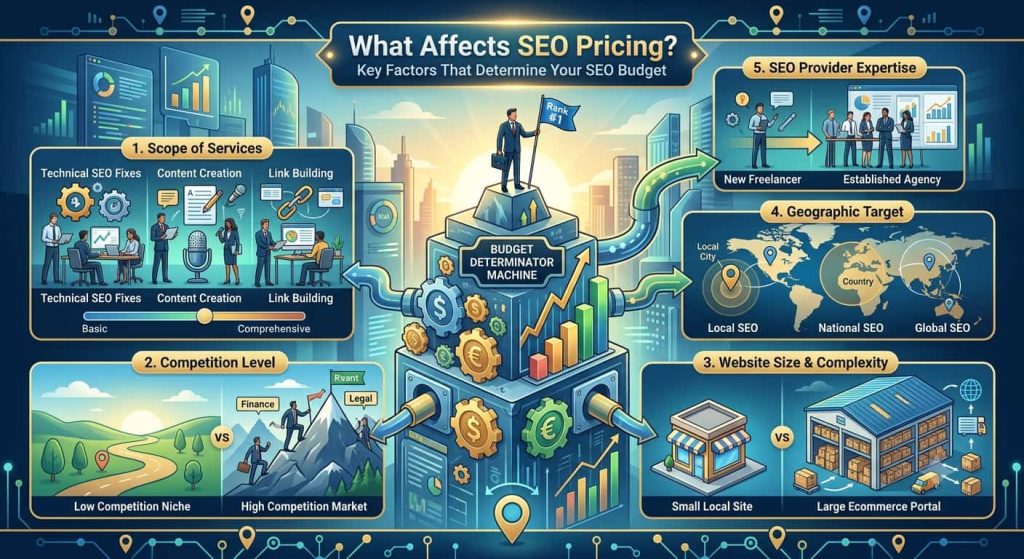

Why Your Website Gets Traffic But No Customers

Why Your Website Gets Traffic But No Customers

Getting traffic to your website feels great at first. You see the numbers going up in Google Analytics and think your marketing is finally working. But then you check your leads or sales and nothing really changes. People visit your website every day but they leave without contacting you buying anything or becoming customers.

This is one of the most common problems businesses face online. The truth is traffic alone does not grow a business. If your website is not built to convert visitors into customers even thousands of monthly visitors can become useless traffic.

In many cases the problem is not your SEO or ads. The real issue is what happens after people land on your website. Weak messaging poor user experience slow pages bad targeting or unclear offers can all stop visitors from taking action.

In this article we will break down the real reasons why your website gets traffic but still no customers and what you can do to turn those visitors into real leads sales and growth for your
business.

Do you need a free consultation?

Fill out the form below for consultation.


Why Website Traffic Alone Means Nothing

A lot of businesses focus too much on increasing website traffic because it looks like a sign of growth. More visitors usually feels exciting and in some cases it can help build brand awareness. But traffic by itself does not pay the bills. If people visit your website and leave without taking action then those numbers become nothing more than empty statistics.

Many websites get thousands of monthly visitors while generating very few leads or sales. This happens because attracting visitors is only one part of the process. What really matters is attracting the right people and giving them a reason to trust your business and take the next step. This is where a strong  SEO content writing service can make a huge difference because high quality content not only drives traffic but also helps convert visitors into real customers.

.

Vanity Metrics Can Mislead Businesses

One of the biggest mistakes businesses make is obsessing over vanity metrics. High traffic page views and impressions may look impressive in reports but they do not always reflect real business growth. A website can rank for dozens of keywords and still fail to generate revenue.

This usually happens when businesses focus on traffic quantity instead of traffic quality. Getting random visitors from broad informational searches may increase analytics numbers but those users often have no buying intent. As a result businesses think their marketing is working while conversions remain low.

Real success online is not measured by how many people visit your website. It is measured by how many people become customers.

Traffic Without Intent Is Useless

Not all traffic has value. If your website attracts people who are not interested in your service product or offer they are unlikely to convert no matter how much traffic you generate.

For example a website may rank for educational keywords that bring in large amounts of visitors but those users are often only looking for information. They are not ready to buy contact a company or make a decision. This creates the illusion of growth without producing real results.

High intent traffic is completely different. These visitors are actively searching for solutions comparing services or looking for a business they can trust. When your content targets the right audience your chances of generating leads and sales increase dramatically.

The Real Goal Is Conversion

The real purpose of a website is not simply to attract visitors. The goal is to turn those visitors into leads customers or clients. That is where conversion becomes more important than traffic alone.

A website with lower traffic but a strong conversion rate will almost always outperform a website with massive traffic and poor user experience. Small improvements in messaging trust design and calls to action can often generate more revenue than spending thousands on additional traffic.

Businesses that understand this stop chasing empty numbers and start focusing on what actually drives growth. Instead of asking how to get more visitors they start asking how to convert the visitors they already have.

7 Brutal Reasons Your Website Gets Traffic But Still No Customers

7 Brutal Reasons Your Website Gets Traffic But Still No Customers

Getting traffic is only the first step. The real challenge begins after someone lands on your website. Many businesses spend months working on SEO running ads and posting content only to realize their website still is not generating leads or sales.

In most cases the problem is not visibility. The problem is conversion.

Here are the biggest reasons why visitors leave your website without becoming customers and what you can do to fix it.

1. You Are Bringing the Wrong People to Your Website

One of the biggest hidden problems in digital marketing is attracting visitors who were never going to buy in the first place.

A lot of websites focus heavily on increasing traffic numbers without thinking about search intent. They rank for broad informational keywords because those keywords are easier to target and usually generate more clicks. The problem is that informational traffic rarely converts well especially for small businesses trying to compete online. That is why having a clear SEO marketing strategy for small business is so important because attracting the right audience matters far more than simply increasing traffic numbers.

For example someone searching “what is SEO” is usually looking to learn something. They are not necessarily searching for an agency to hire. But someone searching “SEO agency for ecommerce” or “why my SEO is not generating leads” has much stronger buying intent.

This is why many websites get thousands of visitors but very few inquiries.

Your content should not only attract people. It should attract the right people. Businesses that generate high quality leads usually focus on buyer intent keywords instead of vanity traffic keywords.

A simple shift in keyword strategy can completely change the quality of your traffic.

2. Your Website Confuses Visitors Instead of Convincing Them

Most visitors decide within a few seconds whether they trust your website or leave it.

If your homepage does not clearly explain what you do who you help and why someone should choose your business people will leave fast. Confusing messaging kills conversions.

Many businesses make the mistake of using generic phrases like:

“We help businesses grow”

or

“We provide innovative solutions”

The problem is these statements say almost nothing. Visitors want clarity. They want to instantly understand what problem you solve and how you can help them.

Strong messaging speaks directly to the customer’s pain points. Instead of sounding corporate your website should feel clear human and solution focused.

Good websites reduce confusion. Bad websites create hesitation.

And hesitation destroys conversions.

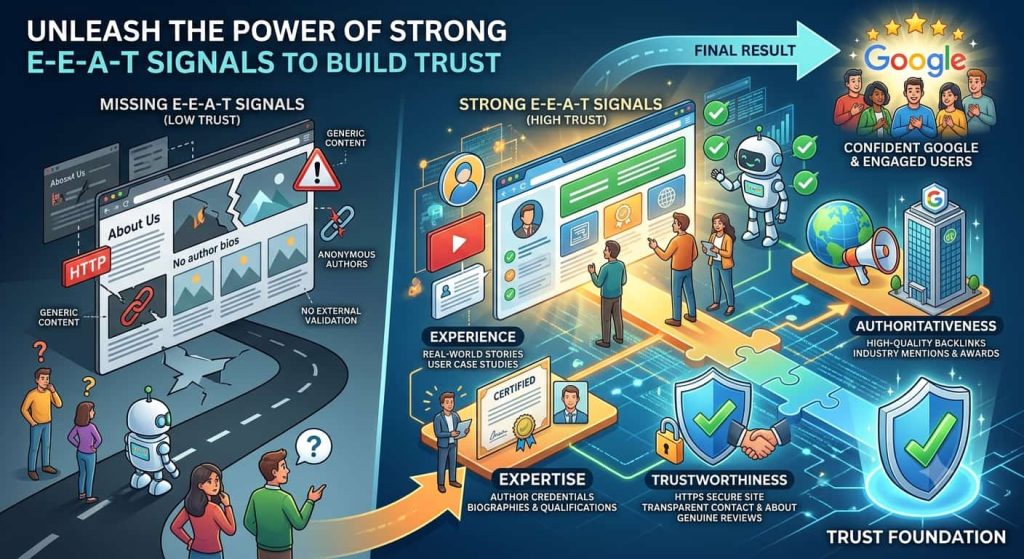
3. Your Website Does Not Feel Trustworthy

People do not buy from websites they do not trust.

Even if your service is excellent visitors will hesitate if your website feels outdated poorly designed or incomplete. First impressions online matter more than most businesses realize.

When someone lands on your website they subconsciously ask themselves questions like:

Can I trust this business
Are these people experienced
Is this company legitimate
Have they helped other clients before

If your website does not answer those questions quickly visitors leave.

Trust is built through small details:

  • modern design
  • fast loading speed
  • clear branding
  • testimonials
  • real case studies
  • client logos
  • professional copywriting
  • transparent information

A website without social proof feels risky. That is why reviews case studies and testimonials can dramatically increase conversion rates.

People trust businesses that other people already trust.

4. Your Call To Action Is Too Weak

Many websites never clearly tell visitors what to do next.

This sounds simple but it is one of the biggest reasons websites fail to convert traffic into leads. If your CTA is vague passive or hidden users often leave without taking action.

Buttons like:

  • Learn More
  • Submit
  • Click Here

are weak because they create very little motivation.

Strong CTAs are specific and outcome driven. They make the next step feel valuable and easy.

For example:

  • Get a Free SEO Audit
  • Book Your Free Strategy Call
  • See How We Can Grow Your Traffic
  • Get a Custom Marketing Plan

A strong CTA reduces friction and increases action.

Your website should guide visitors naturally instead of forcing them to guess what to do next.

Do you need a free consultation?

Fill out the form below for consultation.


5. Your Website Is Slow Frustrating or Hard to Use

Even great marketing cannot save a bad user experience.

Modern users are impatient. If your website loads slowly looks broken on mobile or feels difficult to navigate people leave almost immediately. Most visitors will not give you a second chance.

A slow website creates frustration before users even read your content. Poor mobile optimization makes things even worse because mobile traffic now dominates most industries.

Sometimes businesses focus heavily on SEO while ignoring UX completely. But traffic means nothing if users cannot comfortably interact with your website.

Good user experience feels invisible. Everything feels easy clear and natural.

Visitors should instantly know:

  • where to click
  • what your business offers
  • how to contact you
  • what action to take next

If using your website feels like work conversions will suffer.

6. You Do Not Have a Real Conversion Funnel

Many websites expect visitors to become customers instantly which almost never happens.

The reality is most people are not ready to buy during their first visit. They need trust education and multiple interactions before making a decision.

This is where a conversion funnel becomes important.

A strong funnel guides visitors step by step instead of throwing them directly toward a sale. It creates a journey.

For example:

  • valuable content attracts attention
  • a lead magnet captures contact information
  • email follow ups build trust
  • case studies remove objections
  • consultation calls close the sale

Without a funnel businesses lose huge amounts of potential customers simply because there is no follow up process.

Not every visitor will buy today. But that does not mean they are worthless.

The businesses that win online are usually the ones that nurture visitors instead of ignoring them.

7. Your Visitors Are Not Ready to Buy Yet

Not all traffic converts immediately and that is normal.

A large percentage of website visitors are still researching comparing options or trying to better understand their problem. If your website only focuses on immediate sales you may lose people who could become customers later.

This is especially common with SEO traffic because many users are still in the awareness stage.

That is why educational content email marketing retargeting and lead nurturing are so important. They help businesses stay visible while trust builds over time.

Instead of treating every visitor like a ready buyer smart businesses create content for different stages of the customer journey.

Some visitors need information
Some need reassurance
Some need proof
Some are ready to buy immediately

Understanding this changes the way you approach conversion optimization completely.

The goal is not just getting traffic. The goal is building a system that turns attention into trust and trust into customers.

How to Turn Website Traffic Into Real Customers

How to Turn Website Traffic Into Real Customers

Getting traffic is important but traffic alone does not grow a business. What actually matters is what happens after someone lands on your website. If visitors leave without taking action your website is leaking potential customers every single day.

The good news is that most conversion problems can be fixed. Small improvements in messaging user experience trust and targeting can completely change how your website performs. In many cases businesses do not need more traffic at all. They simply need a better system for converting the traffic they already have.

Here is how successful businesses turn visitors into leads customers and long term clients.

Speak Clearly So Visitors Instantly Understand Your Value

One of the fastest ways to improve conversions is improving your messaging.

When people land on your website they should immediately understand three things:
what you do
who you help
and why they should trust you

Most websites fail because their messaging is too vague generic or overly corporate. Visitors do not want to spend time trying to figure out what your business actually offers. If your website creates confusion people leave within seconds.

Strong messaging focuses on the customer not the company. Instead of talking endlessly about your business your website should explain the problem you solve and the result customers can expect.

Clear messaging creates trust quickly. It helps visitors feel like they are in the right place and encourages them to keep exploring your website instead of leaving.

The simpler and more direct your message feels the easier it becomes for users to take action.

Do you need a free consultation?

Fill out the form below for consultation.


Stop Chasing Traffic and Start Targeting Buyers

A lot of websites attract visitors who were never planning to buy anything. This usually happens because businesses focus on high volume keywords instead of buyer intent keywords.

Traffic without intent rarely converts well.

Someone searching for general information may read your article and leave immediately. But someone actively searching for a solution service or provider is much more likely to become a lead.

This is why search intent matters so much in SEO and content marketing.

Businesses that generate consistent leads usually create content around problems buying decisions comparisons and solutions. Their content speaks directly to people who are already looking for help.

Instead of only trying to increase clicks smart businesses focus on attracting qualified traffic. Less traffic with stronger intent often produces far better results than huge amounts of low quality visitors.

Good SEO is not about getting everyone to your website. It is about getting the right people there.

Turn Your Landing Pages Into Conversion Machines

Many landing pages look attractive but fail to convert because they are missing structure clarity and direction.

A high converting landing page guides users naturally toward action. It removes distractions builds trust and keeps the visitor focused on one clear goal.

The best landing pages usually feel simple. They explain the problem quickly show the value of the solution and make the next step easy. Visitors should never feel overwhelmed with unnecessary information or confusing layouts.

Good landing pages also understand psychology. They reduce friction and answer objections before users even ask questions. Things like trust signals testimonials case studies and clear headlines help visitors feel more confident about taking action.

Every section on the page should move the user closer to conversion.

If your landing page looks good but does not generate leads the problem is often not design. It is usually strategy.

Make Your Calls To Action Impossible to Ignore

Many businesses lose customers simply because their calls to action are too weak.

Visitors need direction. If your website does not clearly tell users what to do next most people will leave without taking any action at all.

Strong CTAs create momentum. They feel specific valuable and low friction. Instead of generic phrases your CTA should explain exactly what users will get by clicking.

The best calls to action also reduce hesitation. Offers like free audits strategy calls free demos or personalized recommendations feel much safer than immediate hard selling.

Placement matters too. A great CTA should appear naturally throughout the website instead of only existing at the bottom of the page where many users never scroll.

Good websites guide users step by step. They never leave visitors wondering what to do next.

Build Trust Before You Try to Sell Anything

Trust is one of the biggest factors behind online conversions.

People are naturally cautious online especially when they are considering spending money or contacting a business. Even if your service is excellent visitors will hesitate if your website does not feel trustworthy.

This is why social proof matters so much.

Testimonials reviews case studies and client results help remove uncertainty. They show visitors that other people already trusted your business and had positive experiences.

Trust is also built through consistency. A professional design clear branding quality content and transparent information all influence how users perceive your business.

Most visitors are not just evaluating your offer. They are evaluating whether your business feels credible.

The more trust your website creates the easier conversion becomes.

Make the User Journey Feel Effortless

Complicated websites kill conversions.

If visitors struggle to navigate your website find information or understand the next step they usually leave. People want fast easy experiences online. The more friction users experience the lower your conversion rate becomes.

A strong website feels intuitive. Users can move through pages naturally without confusion. Important information is easy to find and the conversion process feels smooth from beginning to end.

This is especially important for mobile users. A website that feels frustrating on mobile devices can lose a huge percentage of potential customers almost instantly.

Simplifying the user journey does not mean removing information. It means making the experience easier clearer and more focused.

The easier your website feels to use the more likely visitors are to trust your business and take action.

Use Data to Understand Why Visitors Leave

One of the biggest mistakes businesses make is guessing why their website is not converting.

Without data it becomes almost impossible to understand user behavior accurately. Analytics tools help reveal what visitors are actually doing on your website instead of what you assume they are doing.

Sometimes users leave because a page loads too slowly. Sometimes they stop scrolling halfway through the page. Sometimes they click important buttons but abandon forms before submitting them.

This type of behavior data is extremely valuable because it exposes hidden conversion problems.

Tools like heatmaps session recordings and analytics reports help businesses understand where users lose interest where friction exists and which pages perform best.

The most successful websites are rarely built through guesswork. They improve through testing analyzing and optimizing over time.

Conversion optimization is not a one time fix. It is an ongoing process of understanding users and improving their experience continuously.

The Silent Mistakes That Keep Your Website From Generating Customers

Many businesses believe their website problem is lack of traffic. So they invest more money into SEO ads and content hoping more visitors will eventually solve everything. But in reality the issue is often much deeper.

A website can look modern rank on Google and still fail to generate consistent leads because of a few critical strategic mistakes. These mistakes are extremely common and they quietly destroy conversions without businesses realizing it.

Understanding these problems is often the difference between a website that simply gets clicks and a website that actually grows revenue.

Focusing on SEO While Ignoring Conversion

A lot of businesses become obsessed with rankings traffic and impressions. They spend months trying to reach the first page of Google but never think seriously about what happens after users arrive on the website.

SEO can bring attention but it cannot guarantee customers.

If your messaging is weak your offer is unclear or your website experience feels confusing even highly targeted traffic will leave without converting. This is why some businesses generate thousands of visitors every month while still struggling to get inquiries.

Traffic should never be the final goal. Conversion is what turns marketing into revenue.

The most successful businesses treat SEO and conversion optimization as part of the same system instead of separating them.

Do you need a free consultation?

Fill out the form below for consultation.


Buying Cheap Traffic That Never Converts

Not all traffic is valuable.

Some businesses try to grow quickly by purchasing low quality traffic from cheap ads broad campaigns or irrelevant audiences. At first this can make analytics numbers look impressive but the traffic usually has no real buying intent.

Visitors who are not interested in your service will rarely become leads no matter how much traffic you generate. This creates a dangerous situation where businesses continue spending money while seeing very little return.

High quality traffic always performs better than high volume traffic.

A smaller audience with strong intent trust and relevance will almost always generate more conversions than thousands of random visitors who were never interested in buying anything.

Good marketing is not about attracting everyone. It is about attracting the right people.

Designing a Beautiful Website With No Real Strategy

Many websites look visually impressive but completely fail as business tools.

Businesses often focus heavily on aesthetics animations and design trends while ignoring the actual purpose of the website. A website should not only look modern. It should guide users toward action.

Without strategy even beautiful websites struggle to convert.

Every page should have a clear purpose. Every section should support the customer journey. Headlines content layout and calls to action should all work together to move visitors closer to conversion.

Good design is not just visual. Good design creates clarity trust and direction.

The best websites are usually the ones that feel simple focused and easy to understand rather than overly complicated.

Expecting Instant Sales Without a Funnel

One of the biggest online marketing mistakes is expecting visitors to become customers immediately after landing on a website.

Most people are not ready to buy during their first interaction with a business. They need time to research compare options and build trust before making decisions.

Without a funnel businesses lose a huge number of potential customers.

A conversion funnel helps guide users through different stages of the buying journey. Instead of forcing immediate sales it gradually builds trust through content lead magnets emails case studies and follow ups.

Businesses without funnels often depend entirely on direct conversions which creates inconsistent results and lost opportunities.

A strong funnel keeps potential customers connected to your business even if they are not ready to buy today.

Running a Website Without Tracking What Users Actually Do

Many businesses have no real understanding of how visitors behave on their website.

They do not know:

  • where users leave
  • which pages perform badly
  • what causes friction
  • or why conversions are failing

Without conversion tracking businesses are forced to rely on assumptions instead of real data.

Tracking tools reveal what users actually do after landing on the website. They help identify problems that would otherwise remain invisible. Sometimes a small issue like a confusing form slow page or weak CTA can significantly reduce conversions without anyone noticing.

Businesses that consistently improve conversions usually make decisions based on user behavior data not guesses.

Tracking is what turns marketing from random experimentation into a measurable growth system.

Case Study: How One Business Increased Conversions Without More Traffic

Case Study: How One Business Increased Conversions Without More Traffic

A growing service based business was receiving a steady amount of website traffic through SEO and paid ads but conversions remained extremely low. Despite generating thousands of monthly visitors the website produced very few qualified leads.

At first the business assumed the problem was traffic volume so they continued investing more money into marketing campaigns. But after several months the results barely improved.

The issue was not traffic. The issue was conversion.

Do you need a free consultation?

Fill out the form below for consultation.


The Problem Was Hidden Inside the User Experience

After analyzing the website several major problems became obvious.

The homepage messaging was too vague and failed to explain the value of the service clearly. Important calls to action were difficult to notice and the website lacked trust signals like testimonials and case studies.

The mobile experience was also frustrating. Some pages loaded slowly and the contact process felt unnecessarily complicated.

Visitors were reaching the website but they were not being guided toward action.

Small Strategic Changes Created a Huge Difference

Instead of increasing traffic the business focused on improving the existing website experience.

The messaging was rewritten to focus directly on customer pain points and desired outcomes. Calls to action became clearer more visible and more action driven. Testimonials and case studies were added throughout the website to increase trust.

The landing pages were simplified and the mobile experience was improved to reduce friction.

No major redesign was needed. The business simply removed confusion and made the path to conversion easier.

The Result Was More Leads Without More Visitors

Within a few months the website started generating significantly more inquiries even though traffic levels stayed almost the same.

The business did not need more clicks. It needed a better conversion strategy.

This is one of the biggest misconceptions in digital marketing. Many businesses believe growth only comes from increasing traffic when in reality improving conversion rates can often generate faster and more profitable results.

Sometimes the fastest way to grow your business is not getting more visitors.

It is converting the visitors you already have.

Frequently Asked Questions

Why is my website getting traffic but no customers?

This usually happens when your website attracts the wrong audience or fails to convert visitors effectively. Problems like weak messaging poor user experience slow loading pages unclear calls to action and lack of trust signals can all stop visitors from becoming customers even if your traffic numbers are high.

Can SEO increase traffic but still fail to generate leads?

Yes absolutely. SEO can bring large amounts of visitors to your website but if the keywords target informational searches instead of buyer intent searches conversions may remain low. Ranking on Google is important but attracting people who are actually ready to buy matters even more.

What is a good website conversion rate?

A good conversion rate depends on your industry traffic source and business model. However many websites convert between 2% and 5% while highly optimized websites can perform much better. The real focus should not only be conversion rate itself but also lead quality and customer value.

How do I know if my website has conversion problems?

Some common signs include high bounce rates low lead volume short session durations and visitors leaving without taking action. If your website gets steady traffic but very few inquiries or sales there is usually a conversion issue somewhere in the user journey.

Why do visitors leave my website so quickly?

Visitors often leave quickly when websites feel confusing slow outdated or difficult to use. Weak headlines poor design too much clutter and unclear offers can also make users lose interest within seconds. First impressions online are extremely important.

Is more traffic always better for business growth?

Not necessarily. More traffic only helps when the traffic is relevant and high intent. A smaller number of qualified visitors can generate far more revenue than massive amounts of low quality traffic. Businesses that focus only on traffic volume often struggle with low conversions.

What is the fastest way to improve website conversions?

Improving messaging simplifying the user experience strengthening your calls to action and building trust usually create the fastest results. In many cases small strategic changes can increase conversions significantly without needing more traffic or a complete website redesign.

Traffic Means Nothing Without Conversion

Getting traffic is only half the battle. The real growth happens when your website can turn attention into trust and trust into customers. Many businesses spend too much time chasing clicks while ignoring the experience visitors have after they land on the website. The difference between a website that simply gets traffic and a website that generates real revenue usually comes down to strategy conversion and understanding user behavior. When your messaging targeting and user experience work together even existing traffic can become a powerful source of consistent leads and long term business growth.

SEO Content Writing Service: High Quality Content That Ranks and Converts

SEO Content Writing Service: High-Quality Content That Ranks and Converts

Why SEO Content Is the Backbone of Online Growth

If your website is not generating consistent organic traffic, the problem is rarely just technical SEO  it is usually content.Search engines do not rank websites. They rank content. Every time a user searches for a service, a question, or a solution, Google looks for the most relevant, well-structured, and helpful content. That means without proper SEO content writing, even the best-designed website will struggle to attract visitors.

For businesses today, content is not just about writing — it is about strategy, structure, and search intent. A professional SEO content writing service helps you:

  • Rank for high-intent keywords
  • Attract targeted organic traffic
  • Build trust with your audience
  • Convert visitors into leads and customers

In this guide, we will break down how SEO content works, why it matters, how pricing works, and how to choose the right partner.

What Is SEO Content Writing and How Is It Different from Regular Content

SEO content writing is the process of creating content that is specifically designed to rank in search engines while also engaging real users. Unlike normal writing, which may focus only on readability or branding, SEO optimized content writing combines technical optimization with human psychology. Without the right strategy many businesses eventually face the problem of getting website traffic but no customers because attracting visitors alone is not enough to generate real business growth.

Keyword Research and Search Intent

The foundation of any SEO article writing service is keyword research. This is not just about finding popular words — it is about understanding what users actually want. For example, someone searching “seo content writing service” is likely looking to hire a provider, not just learn about content. That means the content must be structured around commercial intent, not just informational value.

Content Structure and SEO Formatting

A strong SEO web content writing service uses structured headings, logical flow, and clear hierarchy.

This includes:

  • Proper H1, H2, H3 usage
  • Internal linking
  • Optimized paragraphs
  • Clear call-to-actions

This structure helps both users and search engines understand the content.

Optimization Without Keyword Stuffing

Modern SEO copywriting services focus on natural keyword usage. Content should feel human, not robotic. Overusing keywords reduces trust and can harm rankings.

Why Businesses Need SEO Content Writing Services

Increase Organic Traffic

SEO content acts as a long-term traffic engine. Unlike ads, it continues to bring visitors over time without ongoing cost per click.

Improve Conversion Rate

Well-written content does not just attract visitors — it guides them. By addressing objections, explaining services clearly, and building trust, professional SEO content writing increases conversion rates.

Build Digital Authority

Consistent, high-quality content positions your brand as an expert. When users see your website answering multiple relevant questions, they are more likely to trust your services.

Save Time and Resources

Content creation requires research, writing, editing, and optimization. Outsourcing to a content writing agency SEO allows you to focus on running your business while experts handle content strategy.

Features of a Professional SEO Content Writing Service

Advanced Keyword Research

A professional provider does not guess keywords. They analyze competition, search volume, and intent. At London Design, we use tools like Ahrefs, SEMrush, and Google Search Console to identify high-impact opportunities.

On-Page SEO Optimization

Every piece of content is optimized for:

  • Titles and meta descriptions
  • Keyword placement
  • Internal linking
  • Readability

Natural and Human Tone

Content must feel natural and engaging. This improves dwell time and reduces bounce rate.

Content Strategy and Planning

Without strategy, content becomes random. A professional seo content writing services provider builds a content roadmap aligned with business goals.

What Type of Content Works Best for SEO

Blog Articles

Blog writing services SEO are one of the most effective ways to capture long-tail traffic. They help answer questions and attract users at different stages of the buying journey.

Landing Pages

Landing pages target high-intent keywords. These pages are designed to convert visitors into leads or customers.

Product Descriptions

For e-commerce, optimized product descriptions improve visibility and conversions.

Educational Content

Guides, tutorials, and how-to content build authority and trust.

SEO Content Writing Pricing: How Costs Are Calculated

Pricing Models

Type of Service Price Range Description
Basic Content £30–£80/article Entry-level content
Professional SEO Content £80–£200/article Optimized & structured
Advanced Content Strategy £200+ High-quality + research

Quality vs Price

Cheap content often leads to poor rankings and wasted investment.

High-quality content delivers long-term ROI.

Key Pricing Factors

  • Word count
  • Research depth
  • Competition level
  • Content type

How to Choose the Right SEO Content Writing Service

Portfolio and Samples

Always review previous work.

Team Experience

Experienced writers understand both SEO and user behavior.

Strategy Approach

Avoid providers who only offer writing without strategy.

Pricing Transparency

Clear pricing builds trust.

Common Mistakes When Choosing Content Writing Services

Many businesses make the mistake of focusing only on price when selecting a provider. While budget is important, choosing the cheapest option often leads to low-quality, generic content that fails to rank or convert.

Another common issue is relying on purely AI-generated or template-based content without proper editing. Content that lacks depth, originality, and human tone may harm both SEO performance and brand credibility.

A major mistake is also the absence of a clear content strategy. Without a structured plan based on keyword research and business goals, content becomes scattered and ineffective.

Case Study: Real SEO Content Results

One of our clients in a competitive service niche struggled with low traffic despite having a functional website.

After implementing a structured SEO content strategy:

  • Organic traffic increased by 220% within 6 months
  • 15+ keywords ranked on page one
  • Conversion rate improved by 35%

The key was consistent, high-quality, SEO optimized content writing aligned with user intent.

SEO Content Quality Checklist

  • Keyword properly integrated
  • Clear structure (H1, H2, H3)
  • Internal links added
  • Readability optimized
  • Value-driven content
  • Strong CTA included

Conclusion: Invest in Content That Drives Results

SEO content writing service is not just about writing articles — it is about building a long-term growth system.

With the right strategy, content can become your most powerful marketing asset.

If you are looking for high-quality, professional seo content writing that actually delivers results, our team at London Design is ready to help.

Contact us today for a free consultation and discover how strategic content can grow your business.

FAQ

What is SEO content writing service?

SEO content writing service involves creating optimized content that ranks in search engines and converts visitors into customers.

How long does SEO content take to rank?

Typically 3–6 months depending on competition and content quality.

Is SEO content worth the investment?

Yes, because it generates long-term organic traffic and reduces reliance on paid ads.

How much does SEO content writing cost?

Costs vary depending on quality, but professional services typically start from £80 per article.

SEO Marketing for Small Business: Complete Guide to Grow Your Business Online

SEO Marketing for Small Business: Complete Guide to Grow Your Business Online

If you are running a small business or startup, you are competing with brands that often have bigger budgets, larger teams, and stronger brand recognition. The good news? In Google search results, smart strategy often beats big budget.

Over 90% of online experiences begin with a search engine. More than 68% of clicks go to organic results, not paid ads. That means SEO marketing for small business is not just a technical upgrade — it is a growth channel.

When done correctly, small business search engine optimization helps you:

  • Attract customers who are already searching for your services
  • Compete locally without massive advertising spend
  • Build long-term traffic instead of paying per click forever

This complete guide explains how SEO marketing works for small companies, what it costs, what strategies actually deliver ROI, and how to decide whether to do it yourself or hire experts.

What Is SEO Marketing for Small Business?

What Is SEO Marketing for Small Business?

SEO marketing for small business is the process of improving your website and online presence so potential customers can easily find your business when they search on Google or other search engines.

In simple terms, it means positioning your business exactly where customers are already looking.

Today, most buying journeys start with a search query. Someone needs a service, a product, or a solution — and their first step is to type a question into Google. If your business appears in those results, you gain visibility, trust, and potential customers. If it doesn’t, your competitors get the opportunity instead.

For small businesses, SEO is not just about ranking higher in search results. It is about creating a sustainable digital presence that continuously attracts qualified traffic. When implemented correctly, SEO becomes a long-term marketing asset that generates leads, builds brand credibility, and reduces dependency on paid advertising.

Unlike traditional marketing channels that rely on interruption (such as ads or cold outreach), SEO focuses on intent-driven marketing. You are reaching people who are actively searching for what you offer.

How SEO for Small Businesses Differs From Enterprise SEO

How SEO for Small Businesses Differs From Enterprise SEO

SEO strategies for small businesses are fundamentally different from those used by large corporations or enterprise-level websites.

Large companies often compete for highly competitive, national or global keywords. They typically have dedicated content teams, large marketing budgets, and extensive backlink networks that allow them to dominate broad search terms.

Small businesses, however, operate under different conditions — and that is actually an advantage when the strategy is executed correctly.

Instead of competing directly with major brands, successful small business SEO focuses on highly targeted opportunities where competition is lower but purchase intent is stronger.

A well-designed SEO strategy for small businesses usually prioritizes the following areas:

Niche targeting
Rather than trying to rank for extremely competitive keywords, small businesses focus on specialized topics or services where they can establish authority faster.

Local visibility
For many small companies, the most valuable traffic comes from nearby customers. Optimizing for local search results helps businesses appear when users search for services within a specific geographic area.

Commercial intent keywords
Not all traffic is equally valuable. Small business SEO focuses on keywords that signal strong purchase intent, such as service-related queries or solution-focused searches.

Conversion optimization
Traffic alone does not grow a business. Effective SEO ensures that visitors arriving from search engines are guided toward meaningful actions such as contacting the business, requesting a quote, or making a purchase.

When these elements work together, even a relatively small website can compete effectively against much larger competitors.

Why Small Businesses Need SEO

Why Small Businesses Need SEO

For many small businesses, growth depends on a steady and predictable flow of new customers. In the past, referrals and word-of-mouth marketing were often enough to sustain that flow.

Today, consumer behavior has changed dramatically.

Before choosing a service provider, most people conduct online research. They compare options, read reviews, and evaluate credibility long before they make contact with a business.

This shift means that visibility in search results has become one of the most important factors influencing customer acquisition.

Imagine someone searching for:

  • “accountant near me”
  • “best web design for startups”
  • “local digital marketing agency”

If your business does not appear in those results, you effectively do not exist in that moment of decision. The customer will simply choose one of the competitors they see.

SEO solves this visibility problem by positioning your business directly in front of potential customers at the exact moment they are looking for a solution.

Even more importantly, SEO allows smaller companies to compete intelligently rather than simply competing on budget. By targeting specific long-tail searches and localized queries, a small business can often outrank older or larger competitors who are not optimizing their websites effectively.

In other words, SEO levels the playing field.

SEO vs Paid Ads for Small Business

Many small business owners wonder whether they should invest in SEO or rely on paid advertising.

Both channels can generate traffic, but they work very differently.

Paid advertising platforms such as Google Ads can deliver immediate visibility. Once a campaign is launched, your website can begin receiving traffic almost instantly. However, that visibility only lasts as long as the advertising budget continues.

The moment ad spending stops, the traffic disappears.

SEO operates on a different principle. Instead of paying for each visitor, you invest in building a website that search engines recognize as relevant and trustworthy. Over time, this leads to organic rankings that can generate traffic consistently without ongoing cost per click.

For small businesses with limited marketing budgets, this difference can be significant.

While SEO typically takes longer to produce results, it often delivers stronger long-term returns because the traffic continues even after the initial optimization work has been completed.

In practice, the most effective strategy usually combines both approaches.

Paid ads can be used to test keyword performance, validate demand, and generate short-term leads. Meanwhile, SEO builds a sustainable foundation that attracts organic traffic and reduces long-term marketing costs.

Businesses that balance these two channels effectively often create the most stable and scalable growth.

Benefits of SEO for Small Businesses

Benefits of SEO for Small Businesses

For small businesses, SEO is more than just a marketing tactic. It is one of the few channels that can consistently generate qualified leads without requiring constant advertising spend. When implemented strategically, SEO strengthens visibility, builds credibility, and attracts customers who are already searching for what you offer.

Unlike short-term marketing campaigns that stop delivering results once the budget ends, SEO compounds over time. Each optimized page, helpful piece of content, and authoritative backlink strengthens your online presence and increases the likelihood that potential customers will discover your business through search.

Below are some of the most important benefits SEO provides for small businesses.

Increased Visibility in Google

One of the most immediate advantages of SEO is increased visibility in search results.

When your website appears on the first page of Google, especially within the top positions, your brand gains significantly more exposure. Research consistently shows that the majority of users rarely move beyond the first page of results. This means businesses that rank higher naturally receive the majority of search traffic.

However, the impact of visibility goes beyond simple clicks.

Repeated exposure in search results gradually builds familiarity and trust. Even if a user does not click on your website during their first search, seeing your brand multiple times can create recognition. When that user is ready to make a decision, they are far more likely to choose a business they have already seen in the results.

For small businesses competing with established brands, this visibility can dramatically improve brand awareness and credibility.

Highly Targeted Traffic

Not all website traffic has the same value.

One of the strongest advantages of SEO is that it attracts intent-driven visitors — people who are actively searching for a solution, product, or service. These users are not passively browsing content; they already have a need and are looking for the best option available.

For example:

  • Someone searching “how to do SEO for small business” is likely researching and learning about SEO strategies.
  • Someone searching “small business SEO services London” is much closer to making a purchasing decision.

This difference in intent is critical. Traffic generated through search engines tends to convert at a much higher rate because it aligns directly with the user’s immediate goal.

Compared to many forms of social media traffic, which can often be passive or exploratory, search traffic is typically more focused and more likely to lead to meaningful actions such as inquiries, bookings, or purchases.

Long-Term Cost Effectiveness

Another major advantage of SEO is its cost efficiency over time.

Traditional advertising channels often operate on a pay-per-impression or pay-per-click model. While these campaigns can produce quick results, they require continuous spending to maintain visibility. Once the advertising budget stops, so does the traffic.

SEO works differently.

Instead of paying for each visitor, businesses invest in creating long-term digital assets. These include optimized website pages, high-quality content, technical improvements, and authority signals such as backlinks.

Once these assets begin ranking in search engines, they can generate traffic for months or even years without additional advertising costs.

For many small businesses with limited marketing budgets, this makes SEO one of the most sustainable marketing investments available.

Stronger Local Brand Authority

For businesses that serve specific geographic areas, local SEO plays a critical role in building credibility and attracting nearby customers.

When your business appears in local search results — particularly in Google Maps and local listings — it sends a strong signal of legitimacy. Users tend to trust businesses that appear prominently in both organic results and local map listings.

This visibility also reinforces your reputation within the local market. When potential customers repeatedly see your business in local searches, reviews, and listings, your brand gradually becomes associated with authority and reliability within that area.

For service-based businesses such as consultants, agencies, contractors, and local service providers, this local authority can become a powerful competitive advantage.

Over time, a well-optimized local SEO presence can transform a small business into one of the most recognized and trusted options within its market.

Key SEO Strategies for Small Businesses

Key SEO Strategies for Small Businesses

A successful SEO strategy for small businesses does not rely on hundreds of complicated tactics. Instead, it focuses on a few high-impact actions that consistently drive visibility, qualified traffic, and conversions.

Small companies rarely have the resources to compete with enterprise websites at scale. The goal is not to publish the most content or build the largest site — it is to target the right opportunities where search intent and business value align.

The foundation of this strategy always begins with keyword research.

Keyword Research Basics

Effective SEO starts with understanding how your potential customers search online. Many businesses make the mistake of optimizing their websites around internal terminology instead of the phrases real customers use.

Keyword research helps bridge that gap.

By analyzing search queries, you can identify the exact words and phrases people type into Google when they are looking for services, solutions, or products related to your business. These insights allow you to structure your content around real demand instead of assumptions.

Several tools can help uncover these search patterns:

Google Keyword Planner
This tool provides keyword ideas, search volume estimates, and competitive insights directly from Google’s advertising data. It is useful for identifying high-level search demand.

Google Search Console
Search Console reveals the queries that already drive impressions and clicks to your website. This data is extremely valuable because it shows how Google currently interprets your content.

Ahrefs or SEMrush
Professional SEO platforms provide deeper insights into keyword difficulty, search intent, competitor rankings, and backlink data.

Google Autocomplete and “People Also Ask”
Even simple Google search suggestions can reveal real user questions and emerging long-tail queries that tools sometimes overlook.

Focus on Long-Tail Commercial Keywords

For small businesses, the most valuable keywords are rarely the broad, high-volume terms.

Instead, the best opportunities often come from long-tail keywords — longer and more specific search phrases that reveal clear user intent.

Examples include:

  • affordable SEO for small business

  • SEO strategy for small business

  • digital marketing SEO for small business

  • local SEO services for startups

  • best SEO tools for small business owners

Although these keywords may have lower individual search volume, they often bring visitors who are much closer to making a decision.

In addition, long-tail queries typically have lower competition, making them easier for smaller websites to rank for. When multiple long-tail pages begin ranking, the combined traffic can often exceed that of a single high-volume keyword.

Over time, this approach allows small businesses to build topical authority around their niche while gradually expanding their organic search visibility.

Align Keywords With Search Intent

Another critical factor in keyword research is understanding search intent.

Not every search indicates the same stage in the buyer journey. Some users are researching information, while others are ready to purchase or hire a service provider.

In general, search queries fall into three main categories:

Informational intent
Users are learning about a topic or exploring solutions.
Example: “how to do SEO for small business.”

Commercial investigation
Users are comparing options and evaluating providers.
Example: “best SEO services for small businesses.”

Transactional intent
Users are ready to take action or purchase.
Example: “small business SEO agency London.”

A strong SEO strategy targets all three stages of this journey. Informational content attracts early-stage visitors, while commercial and transactional pages convert those visitors into leads and customers.

By aligning your keyword strategy with real user intent, your content becomes more useful, more relevant, and ultimately more effective at driving business growth.

Local SEO Optimization

Local SEO for small businesses is often the fastest growth channel.

Optimize for:

  • City-based keywords
  • Google Business Profile
  • Local citations
  • Location-specific service pages

If you operate in multiple areas, create dedicated pages for each location instead of listing them all on one page.

On-Page SEO Essentials

On-page optimization includes:

  • Clear page titles with primary keywords
  • Meta descriptions focused on benefits
  • Proper heading structure
  • Internal linking to related services
  • Fast loading speed

Small improvements here can significantly improve rankings.

Content Marketing

Content builds trust and authority.

Create blog posts answering real customer questions such as:

  • How much does SEO cost for a small business?
  • How long does SEO take to work?
  • What is the best SEO strategy for startups?

Educational content attracts top-of-funnel traffic and positions your business as an expert.

Link Building Basics

Backlinks remain a strong ranking factor.

For small businesses, focus on:

  • Local directories
  • Industry associations
  • Guest posting
  • Partnerships

Quality matters more than quantity.

Local SEO: The Game Changer

For many small businesses, local SEO is the difference between invisible and profitable.

Google Business Profile Optimization

Your Google Business Profile should be fully completed with:

  • Accurate business details
  • Proper category selection
  • High-quality real photos
  • Service descriptions
  • Regular updates

Profiles with consistent activity perform better.

Local Citations

Citations are mentions of your business name, address, and phone number across the web.

Consistency is critical. Even small discrepancies reduce trust signals.

Customer Reviews Impact

Reviews influence both ranking and conversion.

Businesses with higher ratings and consistent review flow tend to receive more clicks and calls.

SEO Costs for Small Businesses

One of the most common questions is: what is the SEO cost for small business?

Average Pricing Models

Pricing Model Monthly Range Best For
Freelancer £300–£800 Very small businesses
Small Agency £800–£2,000 Growing companies
Full Service Agency £2,000+ Competitive industries

Pricing depends on competition level, website size, and goals.

Affordable SEO Options

Affordable SEO for small business does not mean cheap shortcuts.

It means prioritizing high-impact tasks:

  • Technical cleanup
  • Core service page optimization
  • Local SEO setup
  • Targeted content

ROI Expectations

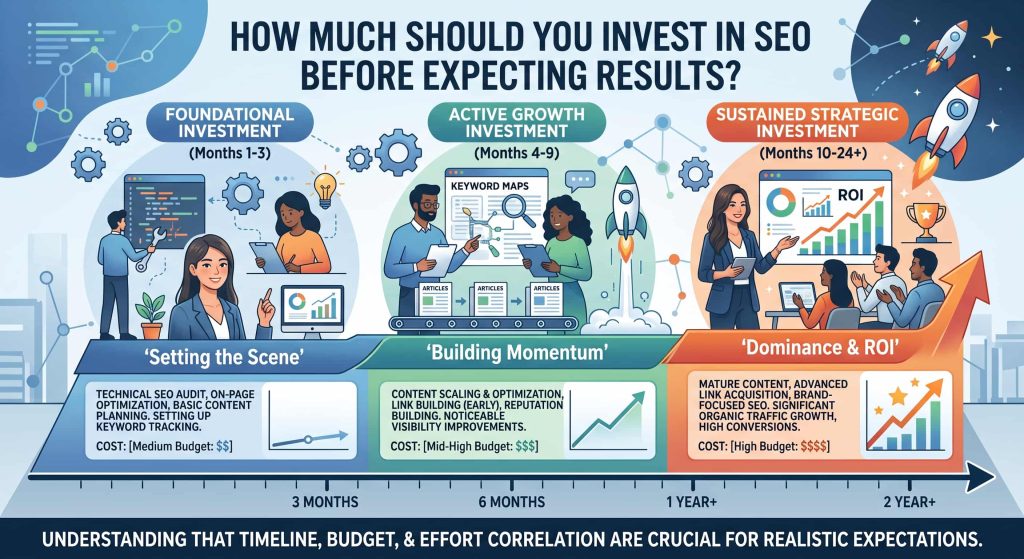
SEO usually takes 3–6 months to show strong results.

However, once rankings improve, customer acquisition cost often decreases significantly compared to paid ads.

DIY SEO vs Hiring an Agency

Pros & Cons

DIY SEO can reduce short-term cost but requires time, learning, and experimentation.

Hiring professionals accelerates execution but requires investment.

If your time is better spent running your business, outsourcing often delivers higher ROI.

When to Hire Experts

Consider hiring small business seo services when:

  • You are in a competitive niche
  • You lack time
  • Your website has technical issues
  • You want measurable growth

Common SEO Mistakes Small Businesses Make

Ignoring Local SEO

Many small businesses focus only on general keywords and forget local targeting.

Wrong Keywords

Targeting high-volume but irrelevant keywords wastes time.

Thin Content

Short, low-value content does not rank well.

Unrealistic Expectations

SEO is not instant. Any provider promising guaranteed #1 rankings should be approached cautiously.

How to Choose the Right SEO Partner

How to Choose the Right SEO Partner

For many small businesses, hiring an SEO partner is a critical decision. The right agency or consultant can accelerate growth, generate consistent leads, and build a strong long-term digital presence. The wrong partner, however, can waste both time and budget while delivering little measurable impact.

SEO is not a one-time task; it is an ongoing strategic process that combines technical optimization, content strategy, and authority building. Because of this, choosing an SEO provider should be approached with the same care you would use when selecting a long-term business partner.

A reliable SEO professional will not promise instant results. Instead, they will focus on building a structured strategy aligned with your business goals, market competition, and realistic growth timelines.

Below are some important questions to ask when evaluating potential SEO partners.

Questions to Ask Before Hiring an SEO Agency

What is your SEO strategy for small businesses?
An experienced SEO provider should be able to clearly explain how they approach keyword research, content development, technical optimization, and link building specifically for smaller companies. Generic answers often indicate a templated approach that may not fit your business needs.
How do you measure SEO performance and ROI?
SEO success should always be tied to measurable metrics such as organic traffic growth, keyword rankings, conversion rates, and lead generation. A professional agency will define clear KPIs and explain how progress will be tracked.

What tools and data platforms do you use?
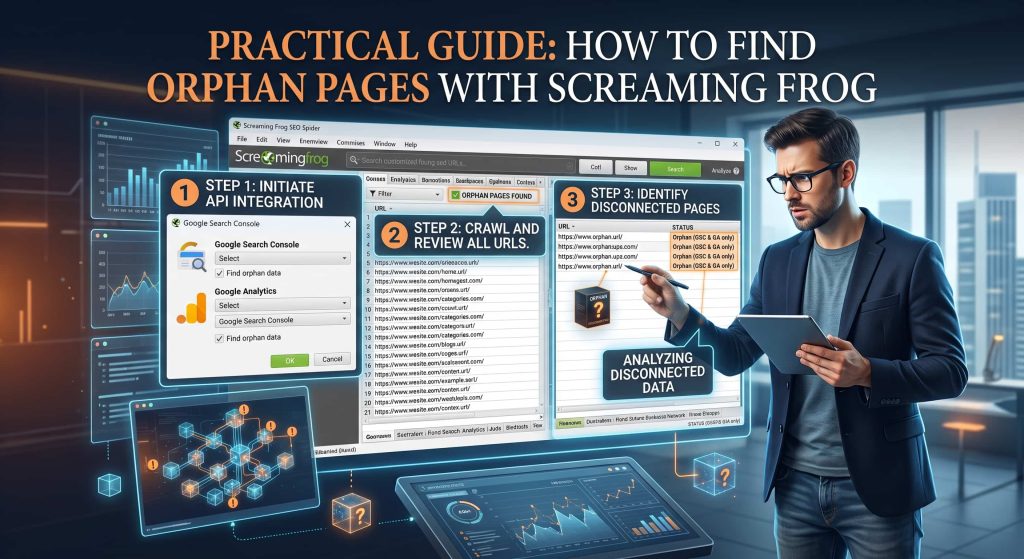
Reliable SEO professionals typically use industry tools such as Google Search Console, Google Analytics, Ahrefs, SEMrush, Screaming Frog, and technical auditing platforms to analyze and monitor performance.

Can you share case studies or real results?
Experienced agencies should be able to demonstrate previous success. Case studies showing traffic growth, ranking improvements, or lead generation results provide evidence that their strategies are effective.

Red Flags to Watch For

Unfortunately, the SEO industry still contains providers who rely on unrealistic promises or outdated practices. Recognizing warning signs early can prevent costly mistakes.

Guaranteed rankings
No legitimate SEO professional can guarantee specific rankings in Google. Search algorithms change constantly, and rankings depend on many external factors.

Lack of transparent reporting
If an agency cannot clearly explain what work is being done each month or how performance is improving, it is difficult to evaluate whether the strategy is effective.

Extremely low pricing
High-quality SEO requires research, technical expertise, content development, and ongoing optimization. Offers that seem unusually cheap often rely on automated tactics or low-quality link building that can harm a website’s long-term performance.

Pricing Transparency Matters

A trustworthy SEO partner should clearly outline what is included in their services and what outcomes are realistically achievable.

Instead of vague promises, professional SEO providers typically explain:

  • The scope of work each month
  • Expected timeframes for results
  • Key milestones in the strategy
  • How progress will be reported and evaluated

This transparency helps ensure both sides share the same expectations and long-term goals.

Small Case Study Example

To illustrate how structured SEO can impact a small business, consider the following example.

A small local consultancy approached our team after struggling to generate consistent leads through their website. Although they had a functional website, it lacked a clear keyword strategy, localized optimization, and structured content.

After conducting a detailed SEO audit, we implemented a focused strategy built around high-intent long-tail keywords and local search visibility.

The strategy included:

  • Comprehensive keyword research targeting niche service queries
  • Creation of dedicated service pages aligned with commercial search intent
  • Local SEO optimization for geographic searches
  • Technical improvements to site speed and crawlability
  • Publishing educational blog content addressing common client questions

Within five months, the results were significant:

  • Organic traffic increased by 180%
  • 12 high-intent keywords reached the first page of Google
  • Monthly inbound leads tripled

While every business is different, this example demonstrates how a structured SEO approach can transform organic visibility and lead generation for smaller companies.

Small Business SEO Checklist

For business owners who want to start improving their search presence immediately, the following checklist highlights some of the most impactful foundational actions.

Set up Google Search Console
This tool allows you to monitor search performance, identify indexing issues, and understand which queries bring visitors to your website.

Optimize your homepage title and meta description
Clear, keyword-focused titles and descriptions help both users and search engines understand what your business offers.

Create service-specific landing pages
Instead of listing all services on a single page, create dedicated pages for each core offering to improve relevance and search visibility.

Implement local SEO optimization
Ensure your Google Business Profile is fully optimized and your business information is consistent across directories.

Build quality local citations
Listing your business in reputable directories helps strengthen local search signals and improves credibility.

Publish helpful blog content regularly
Consistently publishing educational or problem-solving content helps attract informational searches and build topical authority.

Improve website speed and performance
Fast-loading websites improve user experience and can positively influence search rankings.

Track keyword rankings and traffic growth
Regularly monitoring performance ensures your SEO strategy continues moving in the right direction.

Conclusion: Turn Search Into Sales

Conclusion: Turn Search Into Sales

SEO marketing for small businesses is not about chasing search engine algorithms or manipulating rankings. At its core, it is about connecting your business with people who are actively searching for the services or solutions you provide.

When the right strategy is implemented, SEO becomes one of the most powerful growth channels available to smaller companies. It allows businesses with limited marketing budgets to compete intelligently, attract qualified prospects, and build long-term digital authority.

With consistent optimization, valuable content, and a clear understanding of search intent, even a small company can generate meaningful visibility in competitive markets.

If you want to understand how SEO could specifically impact your business, the best first step is a clear assessment of your current search presence.

A professional SEO strategy consultation can identify opportunities, uncover missed keywords, and outline a realistic roadmap for growth.

Frequently Asked Questions (FAQ)

How long does SEO take for small businesses?
Most small businesses start seeing noticeable improvements within 3–6 months, depending on competition, website quality, and SEO strategy.

What is the average SEO cost for small businesses?
Professional SEO services usually range between £800 and £2,000 per month, depending on the scope of work and competition in your industry.

Can I do SEO myself?
Yes. Many business owners start with DIY SEO, but consistent results usually require experience, time, and advanced tools.

Is local SEO necessary for small businesses?
Yes. If your business serves specific locations, local SEO is essential to appear in Google Maps and local search results.

The Ultimate Guide to Local SEO for Service Based Businesses

The Ultimate Guide to Local SEO for Service-Based Businesses

Meta Title: Local SEO for Service Businesses | Complete Guide to Rank Higher Locally
Meta Description: Learn how Local SEO helps service businesses rank higher, attract local customers, and generate leads. Practical strategies, tips, and expert insights inside.
Why Local SEO Matters More Than Ever

If you run a clinic, consultancy, repair service, property agency, or any location-based service business, your customers are searching for you right now.

The problem? So are your competitors.
In highly competitive local markets, visibility is everything. When someone searches “dentist near me” or “property consultant in London,” Google shows a local map pack before organic results. If your business is not optimized, you simply do not exist in the buyer’s journey.
Over 46% of all Google searches have local intent. 78% of local mobile searches result in an offline purchase within 24 hours. That means local search is not just traffic — it is revenue.

This Local SEO guide explains exactly how service businesses can improve local search visibility, rank higher in Google Maps, and convert searches into real leads.

What is Local SEO and Why It Matters

Local SEO for service businesses refers to optimizing your online presence so your business appears in location-based searches.

Unlike traditional SEO which targets broad national or global keywords, local SEO strategy focuses on geographic signals — city, neighborhood, and “near me” intent.

When users search for:

  • “physiotherapy clinic near me”
  • “electrician in Kensington”
  • “best accountant in Manchester”

Google activates local search ranking factors including proximity, relevance, and prominence.

Google Maps and the Google Business Profile ecosystem play a critical role here. Businesses that properly implement location based SEO dominate the local 3-pack.

How Local SEO Works for Service Businesses

How Local SEO Works for Service Businesses

Let us take a real example.

A private dental clinic in North London approached London Design because they were invisible in local search despite having a modern website.

After implementing a structured local SEO strategy including Google Business Profile optimization, local citation building, and service-location pages, their map impressions increased by 312% within 4 months.

Google Local Algorithm

Google’s local algorithm is separate from traditional organic ranking. It evaluates proximity signals and business entity trust.

Distance, Relevance, and Prominence

Google confirms three primary local ranking factors:

  • Distance: How close your business is to the searcher
  • Relevance: How well your profile matches the query
  • Prominence: Authority based on reviews, links, and brand signals

Location Signals

Location signals include NAP consistency, geo-tagged images, local backlinks, structured data, and embedded maps.

Without these, your local digital marketing services strategy remains incomplete.

Most Important Local Search Ranking Factors

Below is a simplified ranking factor overview:

Ranking Factor Impact Level Why It Matters
Google Business Profile Very High Primary ranking driver in map pack
Reviews & Ratings High Impacts trust & click-through rate
Local Citations Medium Validates business entity
On-page Local SEO High Improves relevance signals
Local Backlinks Medium Builds authority
NAP Consistency Critical Prevents trust dilution

Google Business Profile

Google Business Profile optimization is the foundation of SEO for local companies.

Reviews and User Ratings

Online reputation management local SEO strategies directly influence conversion rate and rankings.

Local Citation Building

Structured listings across directories increase entity authority.

On-page Local SEO

Optimizing service pages with geo-modifiers strengthens local seo tips implementation.

Local Backlinks

Local press, chambers of commerce, and community partnerships improve prominence.

NAP Consistency

Name, Address, Phone must be identical everywhere.

Complete Guide to Google Business Profile Optimization

Step 1: Claim and verify your profile.

Step 2: Choose the most accurate primary category.

Step 3: Write a keyword-optimized business description naturally including your services and location.

Step 4: Upload real photos of team, office, and work results.

Step 5: Add services individually with descriptions.

Step 6: Publish weekly posts.

Step 7: Actively request and respond to reviews.

Businesses that treat GBP as a living asset outperform competitors.

On-Page SEO Tips for Local Services

Use Keyword + Location Naturally

Example: “Emergency Plumbing in Camden”

Create Dedicated Location Service Pages

Each core service should have its own geo page.

Implement Local Business Schema

Structured data improves entity recognition.

Optimize Title & Meta Description

Include location + service + benefit.

Content Strategy for Local Visibility

Create hyper-local blog posts such as:

  • “How to Choose a Family Dentist in Islington”
  • “Cost of Boiler Repair in West London”

Location-specific FAQs dramatically improve near me search optimization.

Online Reputation & Review Management

Online Reputation & Review Management

For service businesses, reviews are not just “nice to have” — they are one of the strongest trust signals in local search. When someone compares two clinics, electricians, or estate agents in the same area, they usually make a decision based on rating, review volume, and how the business responds. This is why online reputation management local SEO sits right at the intersection of ranking and conversion.

From a Local SEO perspective, Google uses reviews to understand prominence (how well-known and trusted you are). High-quality review signals help you appear more often in the local map pack and increase click-through rate when you do appear. From a business perspective, reviews reduce purchase anxiety. A strong review profile can turn a “maybe” searcher into a booked appointment, a call, or a WhatsApp inquiry.

What actually influences rankings (and what influences conversions)

Not all review activity is equal. In practice, local search ranking factors around reviews usually fall into a few buckets.

First is review quantity and velocity. If you receive reviews consistently, Google reads that as ongoing customer demand. A business with 3 reviews from two years ago often looks inactive compared to a competitor adding 3–5 reviews per month.

Second is review quality, which includes star rating but also the content of reviews. Natural mentions of your service type and location (for example, “boiler repair in Camden” or “family dentist in Islington”) can strengthen relevance. You should never script or force keywords, but you can ethically guide the customer to mention what they purchased and where.

Third is owner responses. Replying to reviews does not only build trust — it signals active management and customer care. In competitive niches, this is a measurable conversion lever.

How to consistently get more reviews without feeling awkward

Most service businesses fail here because they ask randomly. A better approach is to build a simple process that happens at the same stage of every customer journey.

The best time to ask is immediately after the service is delivered and the customer is satisfied — right after a treatment, once the repair is finished, or after keys are handed over. If you wait three days, emotion drops and response rate falls.

Instead of saying “Please leave a review,” make it easy and specific. Send a short message with a direct review link to your Google Business Profile, and explain that it helps local customers find a reliable provider.

Here is a practical message template you can use:

“Thanks again for choosing us today. If you have 30 seconds, would you mind leaving a quick Google review? It really helps local customers find a trusted [service]. Here’s the link: [GBP Review Link]”

If you want higher quality reviews, add a gentle prompt without pushing keywords:

“If possible, mention what we helped you with and which area you’re in — it helps people nearby.”

For teams with front-desk staff (clinics) or field engineers (repairs), you can turn this into a routine: ask verbally once, then send the link by SMS/WhatsApp/email right after completion.

How to respond to reviews in a way that increases bookings

A strong response strategy improves conversion as much as it improves brand perception. Keep responses short, human, and professional.

For positive reviews, reinforce the service and location naturally, and invite the next step. Example:

“Thank you for the kind feedback — we’re glad we could help with your boiler repair. If you ever need support in West London again, our team is here to help.”

For neutral reviews, acknowledge, clarify, and offer a resolution channel:

“Thanks for your feedback. We’re sorry the experience wasn’t perfect. Please contact us on [phone/email] so we can understand what happened and fix it.”

For negative reviews, do not argue publicly. Stay calm, address the core concern, and move the conversation offline while showing accountability. This protects trust and often turns into an updated review later.

Also, watch out for fake or incorrect reviews. If a review clearly violates Google policy (spam, offensive, not a real customer), you can flag it inside your Google Business Profile, but still respond politely in the meantime.

Build “review assets” across your website for extra trust

Reviews shouldn’t live only on Google. Add testimonials to your service pages (especially high-intent pages) and place trust elements near conversion points: next to the contact form, booking button, or call-to-action.

A practical site structure is:

  • One main Testimonials page (with filters by service type)
  • 2–4 testimonials on each key service page
  • A short “What clients say” block on location pages

If you have permission, include first name + area (e.g., “Sarah, Canary Wharf”) and the service delivered. This increases credibility without revealing sensitive details.

The KPI you should track (simple but powerful)

To connect reputation to results, track:

  1. New reviews per month (velocity)
  2. Average rating trend (quality)
  3. Calls, direction requests, and website clicks from GBP insights
  4. Conversion rate from service pages after adding testimonials

This is where improve local search visibility becomes measurable: higher trust equals higher click-through rate, higher call rate, and stronger lead quality.Common Local SEO Mistakes

Common Local SEO Mistakes


Many service businesses invest time in Local SEO but unknowingly block their own growth because of small strategic errors. Below are the most common mistakes we see in audits.

  • Keyword stuffing city names
    Some businesses repeat city names unnaturally in titles, footers, or descriptions (for example: “Plumber London | Emergency Plumber London | Cheap Plumber London”). This does not improve rankings and can actually reduce trust and click-through rate. Google values relevance and clarity, not repetition. Use location modifiers naturally and focus on solving the user’s intent.
  • Ignoring reviews
    Not responding to reviews — especially negative ones — sends a signal that the business is inactive or does not care about customer experience. Even a short professional reply improves trust. A profile with 40 reviews and zero responses looks weaker than one with active engagement.
  • Duplicate listings
    Creating multiple Google Business Profiles for the same address or slightly different business names confuses Google’s entity recognition system. This often splits ranking signals and can lead to suspension. It is better to consolidate authority into one properly optimized profile.
  • Inconsistent NAP
    If your Name, Address, and Phone number differ across directories, social media, and your website, Google may struggle to verify your business identity. Even small differences like “Street” vs “St.” can create data inconsistencies at scale. Consistency builds trust with both users and search engines.
  • No dedicated location pages
    Service businesses that operate in multiple areas often forget to create structured service-location pages. Without dedicated pages (e.g., “Boiler Repair in Camden” or “Physiotherapy in Chelsea”), you limit your ability to rank for specific local intent searches. Each core service + location combination should have a focused, optimized page.

Avoiding these mistakes alone can significantly improve local search visibility without increasing budget.

Why Professional Local SEO Services Matter

Local SEO is technical, strategic, and ongoing.

At London Design, we provide structured local SEO services including audit, strategy, implementation, and performance tracking.

We combine technical SEO, content marketing, and local digital marketing services to drive measurable growth.

Local SEO Checklist 

  • Verify Google Business Profile
  • Audit NAP consistency
  • Build top 20 local citations
  • Optimize service pages
  • Implement schema
  • Collect 5 new reviews monthly
  • Publish 2 local articles per month

Conclusion

Local SEO for service businesses is no longer optional.

It is the difference between being discovered and being ignored.

If you want to improve local search visibility and generate consistent inbound leads, start implementing this local seo guide today.

Or let our team handle it.

Schedule your free consultation with London Design now.


Blogpost1

Colour Philosophy Explained

Choosing the right colour combinations through is crucial to making a successful website.

Whether created by a specialised web design company or the individual, having the right colour arrangement on your websites crucial in achieving an expert. If your website is not attractive to its viewers, they will miss the content of the page or even leave the site all together and opt for a more desirable alternative.

Colour Philosophy Explained

Making a website starts with understanding the theory behind colour schemes. Colour schemes begin by examining the colour wheel.

where we find three colour groupings: primary colours, secondary colours, and tertiary colours. Using this wheel, colour theory then stratifies the colours. Primary colours are red, yellow, and blue; they cannot be created by mixing other colour combinations. However, the primary colours themselves can be mixed to form now colours, which are secondary colours. Tertiary colours are created from mixing secondary colours.

Colour model dictates how colours can be combined for optimal use and allure, which will vary depending on the format and content of the website itself. Selecting colours for a website necessitates choosing colour combinations which are sober and harmonious to the eye. The simplest method in selecting colour combinations is by mixing comparable colours to see if they work well together. Colours can be w w but should not be too bright, too dark, or distract from the content.

Does colour choice really matter?

The importance of colour design stems from the significance of colour to the human attention. Colour creates ideas, expresses messages, spark interest, and generate certain emotions. Bright colours tend to set a happy and positive mood, whereas dark colours tend to project the opposite. Within the psychology of colours, warm colours show excitement, optimism, and creativity; cool colours symbolize peace, calmness, and harmony.

Choosing colours for a website is not about just choosing colours that you like- the colours should strengthen the website and branding of the business. Colours that work well individually may not be as pleasing together as they are individually. By considering colour combination as both a science, seeing how colours work together literally, and as an art, by seeing what colours symbolize and how they are evaluated internally and emotionally, the correct colour combination for your website design can be achieved.

Blogpost2

Back link

Backlinks are links from a page on one website to another. If someone links to your website, you have a backlink from them. If you link to another website, they have a backlink from you.

Why are backlinks important?

Search engines like Google see backlinks as votes of assurance. Usually the more votes your web pages have, the more likely they are to rank for relevant search interrogations.

What makes a good backlink?

Not all backlinks are created identical. they are some of the many features that contribute to a backlink quality and helpfulness.

How to get more backlinks

There are three ways to get more backlinks: generate them, get them, or build them.

Earning backlinks

This is when people discover your content via search engines like Google, social media, or word of mouth, and choose to link to your page. In order words, earned backlinks are organic. You can improve your chances of earning more backlinks by creating truly useful content that people should want to link to.

Making backlinks

This is when you manually add links to your site from other websites. Examples include submitting to business directories, leaving blog comments, and replying to forum threads.

Building backlinks

This is when you reach out to other site owners, editors, or webmasters and ask them to link to your page. For this to work, you need to have a pure value proposition.

Guest blogging: Offer to write a one-off post for another website.

Broken link building: Find relevant dead links on other sites, then reach out and suggest your working link as the replacement. (You can use our broken link checker to do this.)

The Skyscraper Technique: Find relevant content with lots of links, make something better, then ask those linking to the original to link to you instead.

Unlinked mentions: Find unlinked mentions of your brand, then ask the author to make the mention clickable.